Paramount and Warner under one roof: What the Hollywood merger means for movie and TV fans
Paramount has taken over Warner Bros., and Netflix has lost the bidding war: What the Hollywood merger means for movie theaters, streaming subscriptions and the news, in Switzerland too.
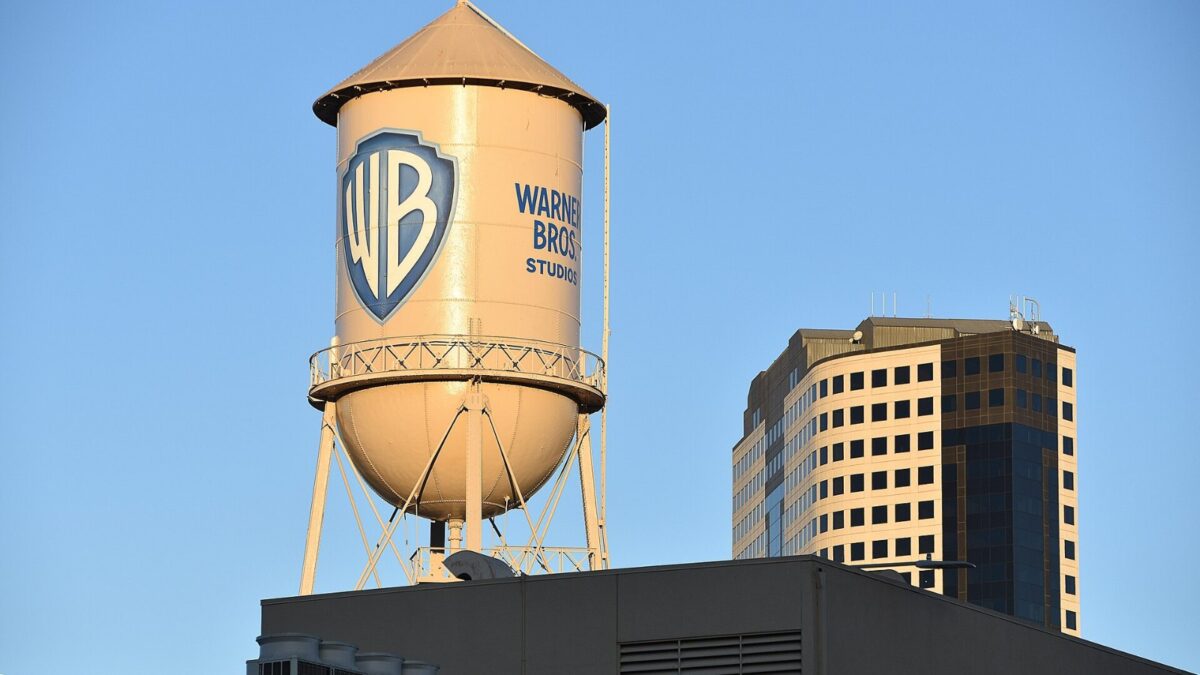
On Oct. 6, 2026, Paramount Skydance completed its acquisition of Warner Bros. Discovery. The new company is called Skydance and brings together the Paramount and Warner Bros. film studios, the streaming services HBO Max and Paramount+, the CBS television network and the news channel CNN. Paramount paid $31 a share in cash, and the transaction is valued at about $110 billion. The company is headed by David Ellison, the son of Oracle co-founder Larry Ellison. It is now offering employees buyouts to leave voluntarily.
Netflix had already reached an agreement with Warner in December 2025 but lost the bidding war to the higher offer in February and is now restructuring. For viewers, the question is what the Hollywood merger means for what plays in movie theaters, for subscription prices and for the news. The sober answer: Much has been promised, some has been forced through the courts, little has been decided. That applies to Switzerland as well, where Warner was the largest film distributor in 2023 and HBO Max has been courting subscribers directly since January.
| Item | Status | Source |
|---|---|---|
| Purchase price | $31 per WBD share in cash, transaction value about $110 billion, equity value about $81 billion | Paramount (SEC, Feb. 26, 2026), Reuters, AP |
| Closing | Oct. 6, 2026; new corporate name Skydance; shares now listed on the New York Stock Exchange (ticker SKYD) | Reuters (Oct. 6, 2026) |
| Debt and savings target | About $80 billion in debt, $6 billion in savings within three years | Reuters, Variety Australia |
| Stock | Shares fell 23.8% to $7.06 on Oct. 14, 2026; credit rating below investment grade | IBTimes UK |
| Theatrical commitment | 30 theatrical films a year for two years, then 32 a year for three years | Settlement with 12 states (AP, Sept. 30, 2026) |
| Breakup fee | $2.8 billion to Netflix, paid by Paramount | Paramount (SEC), British Cinematographer |
| Netflix | About 1,000 fewer jobs; shares about 45% lower on Oct. 20, 2026, than in October 2025 | What’s on Netflix, NBC News |
| Switzerland | HBO Max since Jan. 13, 2026, from 9.90 Swiss francs a month; Paramount+ from 7.90 francs; Netflix Standard plan 22.90 francs | moneyland.ch, PCtipp |
The bidding war: How Netflix lost the deal it had won
At first, the prize went to Netflix. On Dec. 5, 2025, the streaming company and Warner Bros. Discovery (WBD) agreed that Netflix would acquire the studio and streaming business for $27.75 a share, at an enterprise value of $82.7 billion. Discovery Global, the planned spinoff comprising CNN, TNT Sports and Discovery+, was not to be part of the deal. Paramount Skydance had already made Warner an unsolicited offer of $23.50 a share in October 2025, mostly in cash. In the binding second round of bidding in early December 2025, it offered $26.50 in cash, according to a report in The Wall Street Journal.
Three days after the Netflix deal, Paramount launched a hostile all-cash offer of $30 a share for the entire company. WBD’s board recommended rejecting it. In February, Paramount sweetened its bid: It offered to cover the $2.8 billion breakup fee that WBD would owe Netflix if it walked away. Larry Ellison personally guaranteed the equity, initially with $43.3 billion and, in the final offer, with $45.7 billion.
On Feb. 26, 2026, the WBD board declared Paramount’s revised offer of $31 a share superior. Netflix bowed out of the bidding the same day. At the price required to match Paramount, the deal was no longer financially attractive, co-CEOs Ted Sarandos and Greg Peters wrote. The acquisition, they added, had always been a nice-to-have at the right price, not a must-have at any price.
The battle was also fought on political terrain. In February, President Donald Trump demanded on his platform Truth Social that Netflix fire board member Susan Rice immediately or face the consequences. He called her racist and Trump-deranged, an allusion to the catchphrase for a pathological aversion to Trump.
On Feb. 27, 2026, Paramount and WBD signed the merger agreement. Paramount paid the $2.8 billion to Netflix. Had the merger failed to win regulatory approval, Paramount would have owed WBD $7 billion. WBD shareholders approved the sale on April 23, 2026. In a nonbinding vote held at the same time, they rejected the severance packages for CEO David Zaslav and other executives.
Judge, states, conditions: The long road to closing
The government in Washington had few objections. On June 12, 2026, the Justice Department’s Antitrust Division closed its investigation without imposing conditions. The acquisition was unlikely to harm competition or consumers, it said by way of explanation. According to The Wall Street Journal, the career lawyers handling the case had leaned toward suing to block the merger. The European Commission approved the merger with conditions on July 22, 2026. Paramount must sell its stake in the distribution joint venture United International Pictures (UIP) to Universal within 13 months of closing. For 10 years, the company may not enter into distribution agreements with Universal in the European Economic Area. Britain approved the takeover on Aug. 6, 2026, in return for binding commitments, including on the editorial independence of the news and children’s divisions.
Resistance came from the states. On July 13, 2026, California and 11 other states sued, led by California Attorney General Rob Bonta; the screenwriters’ union, the Writers Guild of America (WGA), followed a day later. On July 20, 2026, federal Judge Araceli Martínez-Olguín temporarily barred the deal from closing. The states had convincingly shown that the transaction would substantially lessen competition in the market for wide-release theatrical films, she wrote, according to The New York Times. Once completed, she added, the merger would be difficult, if not impossible, to undo. Paramount spokesperson Melissa Zukerman countered that the merger was lawful and pro-competitive and would benefit consumers, creatives, workers and the entertainment industry.
A trial was set for March 2027. Then came the settlement. On Sept. 21, 2026, Paramount reached an agreement with the 12 states and with the WGA. Bonta stressed that the settlement protected careers and livelihoods in California but did not amount to support for the merger. On Sept. 30, 2026, the judge approved the settlement as a fair and reasonable approach, pursued in good faith, to address the harms to competition alleged by the states.
What the settlement requires
Who owns Skydance
Skydance is a family-controlled company with deep-pocketed partners. According to Bloomberg, the Ellison family invested about $17 billion in the takeover; in all, $47 billion in equity went into the deal. Funds from Saudi Arabia, Qatar and the United Arab Emirates were to hold a combined 38.5% of the capital after closing, according to an April 2026 petition to the U.S. media regulator, the Federal Communications Commission (FCC), as the trade publication Variety reported. Foreign investors’ overall stake was to be about 49.5%. The funds have neither voting rights nor board seats. The voting shares are held by the Ellisons and the investment firm RedBird Capital.
David Ellison had announced the Skydance name on Oct. 2, 2026. He wrote that they had never wanted a new corporate identity to diminish, alter or overshadow either of the two brands. Emarketer analyst Ross Benes saw it differently, calling the name ego-driven and saying it reminds everyone that Hollywood’s most iconic brands answer to Ellison. Day-to-day operations are the responsibility of co-CEO Ynon Kreiz, previously the chief executive of toymaker Mattel.

The company starts out with about $80 billion in debt. It aims to save $6 billion within three years, by its own account largely outside of personnel costs, for example in streaming technology. Even so, there is no way around job cuts: According to Variety, the savings are also to be achieved through layoffs, and according to Reuters, the cuts are likely to hit jobs across Hollywood. How many positions will be eliminated is not known. On Oct. 26, 2026, the company offered eligible employees a one-time buyout to leave voluntarily. Skydance is also introducing a five-day office week, phased in by location. Ellison and Kreiz wrote to staff that not everyone would see their future at the company and that they respected that, according to TheWrap. The same day, CNN chief Mark Thompson and CBS News editor in chief Bari Weiss also briefed their newsrooms, as the website Mediaite reported, citing the industry newsletter Status.
On Oct. 14, 2026, Skydance shares fell 23.8% to $7.06; it was the first day the stock traded without the right to receive warrants. On the day the deal closed, it had still cost $9.53. Even before that, the company’s new bonds had lost value. The rating agencies S&P and Fitch rate its creditworthiness BB, which is below investment grade.
Elon Musk has become a talking point. According to the news site Semafor, Paramount considered bringing Musk on board as one of several investors in September. On Oct. 21, 2026, media entrepreneur John Malone speculated about an investment of $8 billion to $10 billion by SpaceX in Skydance. According to TheWrap, he gave no indication of ongoing negotiations. The following day, Semafor and the business network CNBC reported, citing people familiar with the matter, that Musk had invested about $1 billion in Skydance, which Semafor said was part of a broader capital raise. Skydance declined to comment, and there was no statement from Musk.
CNN and CBS News under one roof
The merger is particularly contentious in journalism. With the closing, CNN and CBS News belong to the same company. CNN chief Mark Thompson and CBS News editor in chief Bari Weiss remain in their posts. Weiss took the helm of CBS News in October 2025, after Paramount Skydance bought her outlet, The Free Press, for $150 million.
Her tenure has been controversial. In June 2026, longtime “60 Minutes” correspondent Scott Pelley was fired. He accused Weiss and CBS leadership of having asked him to insert falsehoods and bias into a politically sensitive story. A CBS spokesperson replied that the requests had served solely to make the piece as strong, fair and accurate as possible.
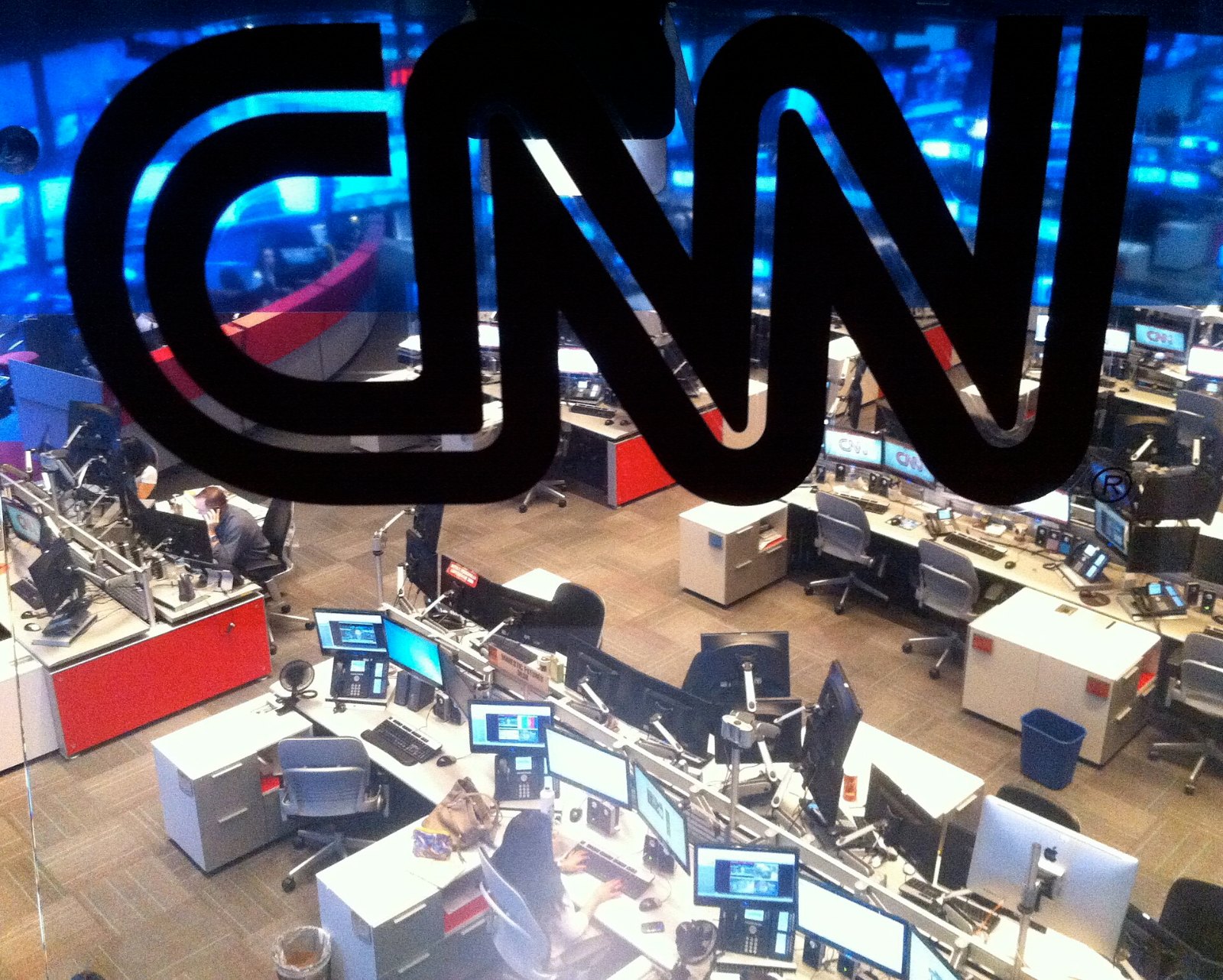
The editorial-independence panel provided for in the settlement is appointed and overseen by the company’s board. Critics doubt its effectiveness. Colorado and Washington state signed on to the settlement but rejected these provisions. Connecticut Attorney General William Tong wanted a complete spinoff of CNN and CBS. In The New York Times, Ellison gave assurances that the news divisions would remain committed to the facts, not to any party or cause. On the day the deal closed, responding to a question from CNN anchor Anderson Cooper, he backed the network’s lawsuit over its exclusion from the White House press pool. He also pointed to the good relationship with the administration.
The Ellison family’s closeness to the Trump administration breeds distrust. David Ellison attended Trump’s State of the Union address on Feb. 24, 2026, as a guest of Republican Sen. Lindsey Graham, two days before the WBD board declared his offer superior. On April 23, 2026, he hosted a dinner in Washington that, according to the invitation, honored Trump’s White House and the CBS News White House correspondents. According to The New York Times, the guests included officials who were reviewing the merger. As early as July 2025, shortly before the Ellisons took control, what was then Paramount Global had paid $16 million to settle a lawsuit Trump had brought over a “60 Minutes” interview. In July 2026, a Paramount shareholder sued David and Larry Ellison and other directors in Delaware. The shareholder accuses them of having granted the president improper benefits to secure approval of the takeover. Paramount rejects the allegations.
Hollywood is divided
Within the film industry, the merger is contested. Ahead of the WBD shareholder vote in April 2026, thousands of actors, screenwriters and other film professionals signed an open letter opposing the merger. After the settlement, the Block the Merger coalition warned that a merger without meaningful structural conditions would cost jobs, stifle creativity, weaken independent journalism and damage First Amendment rights. It called the settlement toothless.
The merger also has its advocates. During the bidding war, director James Cameron had warned, according to media reports, that a Netflix purchase of Warner would be a disaster and that Paramount was the best choice. When the agreement was signed, Paramount had already promised to run Paramount and Warner Bros. as separate studios, to bring about 15 films a year each to theaters and to show new films exclusively in theaters for a full 45 days, longer for major titles. After the settlement was approved, Ellison himself spoke of a transformative moment for the industry.
Netflix after the defeat
Netflix collected $2.8 billion for the collapsed takeover and is solidly profitable, yet it is restructuring all the same. In the third quarter of 2026, revenue rose 12% to $12.9 billion and operating income 37% to $4.5 billion. Netflix did, however, lower its forecast for 2026 advertising revenue from about $3 billion to about $2.7 billion. According to NBC News, the stock fell from $124.14 in October 2025 (adjusted for the November 2025 stock split) to $68.69 on Oct. 20, 2026, a decline of about 45%.
On Oct. 14, 2026, Netflix announced it would cut about 1,000 jobs, roughly 6% of its workforce. The next day, the company announced the departure of Chief Content Officer Bela Bajaria. She will be succeeded by Peter Rice, formerly head of Fox Searchlight and of Walt Disney Television. Film chiefs Dan Lin and Doug Belgrad also had to go. Presenting the quarterly results, Sarandos said no fundamental change of strategy was needed; what the company needed was better execution in the U.S.
At the same time, Netflix is opening up to movie theaters, which Sarandos, in a 2025 onstage conversation with the editor in chief of Time magazine, had still called an outdated concept for most people, though not for everyone. Greta Gerwig’s “Narnia: The Magician’s Nephew” opens wide in theaters on Feb. 12, 2027, and will not come to Netflix until 49 days later. The chief executive of the AMC theater chain, Adam Aron, spoke of the biggest opportunity his industry had ever had to welcome Netflix as a supplier of theatrical films. Yet Sarandos also stressed, by way of reminder, that Netflix is first and foremost a streaming company and that this is its core.



YouTube is the real rival
A central argument of the merger’s supporters is the competition from YouTube. According to Nielsen’s measurements, YouTube accounted for 14.2% of all television viewing in the U.S. in July 2026. Paramount and Warner Bros. Discovery together reached 11.8%, Disney 8.9% and Netflix 7.8%. A year earlier, Paramount and WBD had still reached a combined 13.2%. In August, YouTube’s share rose to a record 15.8%, according to Nielsen, as the trade website PPC Land reported; it does not give an August figure for Warner Bros. Discovery.
John Malone said YouTube is walking off with the top prize in media. For the merger’s supporters, that is the heart of the matter: Anyone who wants to compete with a platform full of content uploaded for free needs scale, libraries and money for expensive productions. Opponents counter that a merger of two studios does nothing to change YouTube’s strength but does reduce the number of buyers for scripts, films and series.
What the Hollywood merger means for Swiss viewers
In Switzerland, the shake-up shows up first in subscriptions. HBO Max has been available directly since Jan. 13, 2026, for 9.90 Swiss francs a month with ads, 16.90 francs for the Standard plan and 23.90 francs for the Premium plan. With the launch, Sky customers lost part of the HBO content; current seasons of “House of the Dragon,” “The Last of Us,” “The White Lotus” and “Euphoria” stayed with Sky. According to the Swiss tech magazine PCtipp, Paramount+ costs from 7.90 francs a month with ads, 12 francs for the Standard plan and 17.90 francs for the Premium plan.
Both services now belong to Skydance. When the deal closed, the company confirmed that its streaming offerings would be combined into a single service over time; together, by its own count, they have more than 200 million subscribers. When, under what name and at what price remains open. For viewers, that could mean one subscription fewer, but also a higher price for the new bundle. “As with other providers such as Netflix, customers in Switzerland pay significantly more for HBO Max” than in neighboring countries, Ralf Beyeler of the comparison service Moneyland said at the launch.
According to Moneyland, Netflix remains the most expensive streaming service in Switzerland. Its Standard plan has cost 22.90 francs a month since October 2025; at its market launch in 2014, it was 12.90 francs, an increase of 78%. Netflix plans to introduce an ad-supported plan in Switzerland as well in 2027, as the company announced in May 2026. A first group of countries will follow in March 2027; according to the trade website PPC Land, Switzerland is likely to be among them. In 2024, Moneyland summed up the industry’s pricing strategy to SRF, Switzerland’s German-language public broadcaster, as follows: “First win new customers with low prices and then raise prices massively.”
| Service and date | Cheapest plan | Standard | Premium |
|---|---|---|---|
| Netflix, launch in 2014 | 11.90 | 12.90 | 17.90 |
| Netflix, from April 2024 | 12.90 | 20.90 | 27.90 |
| Netflix, since October 2025 | 14.90 | 22.90 | 29.90 |
| HBO Max, since Jan. 13, 2026 | 9.90 (with ads) | 16.90 | 23.90 |
| Paramount+, as of January 2026 | 7.90 (with ads) | 12.00 | 17.90 |
Cinema in Switzerland: Warner was No. 1
At the movies, Switzerland is directly affected. In 2023, Warner was the country’s largest film distributor, with 20.1% of admissions, ahead of Universal with 18.8% and Disney with 16.2%. Paramount does not appear separately in the statistics; its films are likely included in Universal’s share through the UIP system run by Universal. UIP operates in 19 countries of the European Economic Area, which Switzerland is not part of; the 10-year ban on distribution agreements with Universal likewise applies only there. Whether the shake-up will affect film distribution in Switzerland remains open.
What matters most for cinemas is how many American films come out. In 2025, admissions in Switzerland fell 7.5% to 9.85 million, according to preliminary figures from ProCinema, the Swiss association of cinemas and film distributors; according to SRF, that is about 30% fewer than a decade earlier. Eight of the 10 most successful films came from the U.S. ProCinema managing director Ivette Djonova attributed the decline “to a thinned-out supply of American mainstream films.” The commitment of 30, and later 32, theatrical films a year comes from a settlement with American states. But what Hollywood produces also shapes what is showing in Zurich, Lausanne and Lugano.
Lex Netflix: What streaming services and broadcasters must invest in Switzerland
For Swiss filmmaking, the investment obligation matters most. Since Jan. 1, 2024, television broadcasters and on-demand services have had to invest at least 4% of the gross revenue they generate in Switzerland in Swiss filmmaking. Swiss voters approved the amendment to the Film Act on May 15, 2022.
In 2025, the rule applied to 22 companies. With relevant revenue of 817 million francs, the obligation came to about 33 million francs. They invested 19.9 million francs, 25% more than in the previous year. About 13 million francs were deferred; that amount must be made up by the end of 2027, or a replacement levy becomes payable to the Federal Office of Culture (FOC). According to SRF, beneficiaries of the 2024 investments included the film “Landesverräter,” the third and fourth seasons of “Tschugger” and the series “Winter Palace.” Of the 19.9 million francs invested in 2025, 12 million went directly into producing and acquiring films and series.
FOC Director Carine Bachmann gives a positive assessment. The investment obligation has “worked well,” she said in August 2026. It is unclear whether HBO Max and Paramount+ are among the companies subject to the obligation, because the FOC does not name companies. It is equally unclear how combining the two Skydance services would affect the obligation.
Arena: Are media giants good for movie and TV fans?
For: Yes, more money for big projects
- Skydance must release 30 theatrical films a year for two years and then 32 a year for three years, or face $30 million per missing film (AP).
- Paramount has pledged to run Paramount and Warner Bros. as separate studios with about 15 films a year each and to show new films exclusively in theaters for 45 days, longer for major titles (British Cinematographer).
- The settlement requires at least $1.5 billion in additional film production in the U.S. over five years (AP).
- Against YouTube, with 14.2% of U.S. television viewing in July 2026, Paramount and Warner combined reach 11.8% (Nielsen, our own addition). Only scale creates a counterweight.
- The U.S. Justice Department expects no harm to competition or consumers; the European Commission required conditions only in film distribution (Justice Department, European Commission).
- A combined HBO Max and Paramount+ offering could replace two subscriptions (Skydance, Broadband TV News).
Against: No, less variety, higher prices
- About $80 billion in debt and a $6 billion savings target that is also to be met through layoffs (Reuters, Variety).
- In a preliminary assessment in July, a federal judge saw strong indications that the merger would substantially lessen competition for wide-release theatrical films (New York Times).
- Most of the conditions apply for only five years, and the commitment to 30 theatrical films matches what Ellison had already promised during the bidding war (AP).
- CNN and CBS News belong to the same company, which the Ellison family controls; critics doubt the effectiveness of the oversight panel (AP).
- Thousands of film professionals signed an open letter against the merger in April 2026 (Wikipedia).
- Fewer providers make price increases easier; according to Moneyland, Swiss customers already pay significantly more for streaming than customers in neighboring countries (Moneyland).
Commentary: Size is not a strategy
The Hollywood merger is a victory of money over competition. A company that starts out with $80 billion in debt and wants to save $6 billion thinks first about interest payments and only then about variety. The commitments for movie theaters are valuable because the states won them in court. But they apply for five years. After that, the balance sheet decides. Balance sheets love sequels more than experiments.
More troubling is what happens to journalism. CNN and CBS News are now controlled by a family that conspicuously sought closeness to the White House while the president publicly attacked the losing bidder. Whether that political closeness influenced the outcome cannot be proven. But the idea that a panel appointed by the company itself is supposed to safeguard the independence of two of journalism’s global brands is not convincing. Whoever buys media also buys trust. Ellison has yet to earn it.
For Swiss viewers, a simple rule applies: The power lies in canceling. Those who cancel subscriptions month by month and pay only for what they actually watch force the companies to compete for every customer. That does not require new regulations from Bern. It requires customers who compare. And it requires providers that have to justify their prices.
Netflix, for its part, shows that size is no protection. The company that kept Hollywood on the run for a decade has lost the bidding war and must reinvent itself. That is not a misfortune. It is the market.
As of Oct. 30, 2026. Amounts in U.S. dollars unless otherwise noted. Statements from English-language sources are paraphrased. Several primary sources (Reuters, Variety, Nielsen, Semafor, CNBC, CNN, The Wall Street Journal, The New York Times) were not directly accessible for research; in those cases, the information comes from republished versions of the wire stories or from Wikipedia articles with individual citations. Elon Musk’s investment has not been confirmed. The Nielsen chart shows July 2026; not all figures were available for August. The 2025 cinema figures are preliminary data from ProCinema (January 2026). The Swiss subscription prices are as of January 2026; later changes are not known. The timing, name and price of the combined HBO Max and Paramount+ service were not known as of Oct. 30, 2026. Quotes originally given in another language were translated by the editors. Sources are cited in their original language.
Related coverage: Hogwarts by subscription: The new Harry Potter series and the billion-dollar business of nostalgia · Dunesday: Two blockbusters, one release date and the battle for screens · License to wait: The billion-dollar poker game over the new James Bond
Sources
- Paramount Skydance: Paramount Enhances Its Superior $30 Per Share All-Cash Offer for Warner Bros. Discovery, SEC filing (Feb. 10, 2026)
- Paramount Skydance: Paramount Comments on Warner Bros. Discovery Board’s Determination of Paramount’s Proposal as Superior, SEC filing (Feb. 26, 2026)
- Netflix: Q3 2026 Shareholder Letter, SEC filing (Oct. 20, 2026)
- Netflix: Netflix to Acquire Warner Bros. Following the Separation of Discovery Global (Dec. 5, 2025)
- TheWrap: Netflix Bows Out of Warner Bros. Race, Declines to Match Paramount’s Bid (Feb. 26, 2026)
- Arise News: Netflix abandons bid for Warner Bros after Paramount’s offer (Feb. 27, 2026)
- Good Morning America / ABC News: Paramount, Warner Bros. Discovery announce deal (Feb. 27, 2026)
- mezha.ua: Paramount and Warner Bros. sign deal (Feb. 27, 2026)
- British Cinematographer: Paramount agrees $111 Billion deal for Warner Bros. Discovery (March 2, 2026)
- New York Times via Dayton Daily News: Judge temporarily pauses Paramount-Warner Bros. deal (July 20, 2026)
- AP via mynews13: Judge approves Paramount’s settlement with states over Warner buyout (Sept. 30, 2026)
- AP via Spectrum News: Judge approves Paramount’s settlement with states over Warner buyout (Sept. 30, 2026)
- AP via La Nación: Judge approves Paramount’s settlement with states (Sept. 30, 2026)
- Bloomberg Government: Paramount Judge Accepts State Warner Bros. Settlement (Sept. 30, 2026)
- Reuters via BNN Bloomberg: David Ellison says combined company will be named Skydance (Oct. 2, 2026)
- Reuters via Khaleej Times: Paramount, Warner Bros Discovery to be named Skydance (Oct. 2, 2026)
- Reuters via Khaleej Times: Paramount wraps up mega Warner Bros merger to create Hollywood powerhouse Skydance (Oct. 6, 2026)
- Bloomberg Government: Ellisons Invest About $17 Billion in Warner Bros. Takeover (Oct. 8, 2026)
- Variety Australia: Paramount-Warner Bros. Discovery will be 38.5% owned by Middle Eastern funds (April 27, 2026)
- TheWrap: Paramount-Warner Bros. merger, Middle East investment and FCC petition (April 27, 2026)
- TheWrap: John Malone Predicts Over $8 Billion SpaceX-Skydance Partnership (Oct. 21, 2026)
- Variety Australia: Musk, Skydance and the debt (Oct. 21, 2026)
- Semafor: Paramount weighs tapping Musk for equity investment (Sept. 23, 2026)
- Semafor: Elon Musk makes $1 billion investment in Ellison’s Skydance (Oct. 22, 2026)
- TheWrap: Elon Musk Invests $1 Billion in Skydance (Oct. 22, 2026)
- Reuters via Virginia Business: Elon Musk invests about $1B in Skydance, CNBC reports (Oct. 22, 2026)
- TheWrap: Skydance Offers Voluntary Buyouts Ahead of Layoffs (Oct. 26, 2026)
- Mediaite via Yahoo: Is Skydance’s Ellison Playing Favorites Between CNN and CBS? (Oct. 27, 2026)
- IBTimes UK: Skydance Shares Slide as Bond Selloff Signals Doubts on $110B Paramount-Warner Deal (Oct. 15, 2026)
- Yahoo Finance: Skydance Corporation (SKYD), price history (accessed Oct. 30, 2026)
- Broadband TV News: HBO Max and Paramount+ to become single streaming service (Oct. 7, 2026)
- The Desk: Skydance CEO voices support for CNN lawsuit against Trump (October 2026)
- CNN: David Ellison backs CNN’s Trump lawsuit, pledges editorial independence (Oct. 6, 2026)
- NBC News via NBC Bay Area: Netflix investors, recent shake-ups, layoffs (Oct. 20, 2026)
- What’s on Netflix: Bela Bajaria Out, Peter Rice In as 1,000 Jobs Are Cut (Oct. 15, 2026)
- Puck: Netflix Chief Content Officer Bela Bajaria Is Out (Oct. 15, 2026)
- PPC Land: Netflix ad revenue forecast drops to $2.7B as partner integrations slip (Oct. 21, 2026)
- Reuters via Philstar: Netflix to give Greta Gerwig’s ‘Narnia’ wide theatrical release (June 2, 2026)
- NPR via KUOW: Netflix goes to the movies (May 13, 2026)
- Cord Cutters News: Increasingly More People Watch YouTube Instead of Netflix, Disney, Warner Bros. Discovery (Oct. 6, 2026)
- PPC Land: YouTube gains record 15.8% of US TV time in Nielsen’s August Gauge (Oct. 25, 2026)
- Deadline via Yahoo: Donald Trump calls on Netflix to fire board member Susan Rice (Feb. 21, 2026)
- Axios: Trump pressures Netflix to fire board member Susan Rice (Feb. 23, 2026)
- Reuters via The Fly: Warner Bros rejected Paramount bid of 23 to 24 dollars per share (2025)
- Wikipedia: Proposed acquisition of Warner Bros. Discovery (accessed Oct. 25, 2026)
- U.S. Department of Justice: Statement on closing its investigation of the Paramount merger (June 12, 2026)
- Benton Institute: Justice Department closes investigation of Paramount Skydance and Warner (June 14, 2026)
- Variety Australia: Trump DOJ officials cleared Paramount-Warner Bros. merger as lawyers objected (June 17, 2026)
- TheWrap: David Ellison attends Trump’s State of the Union (Feb. 24, 2026)
- Jewish Insider: Ellison dinner honoring the Trump White House and CBS correspondents (April 2026)
- Bloomberg Government: Larry Ellison sued over Warner Bros. deal (July 15, 2026)
- Señal News: Paramount CEO David Ellison and Larry Ellison face shareholder lawsuit (July 16, 2026)
- Wikipedia: David Ellison (accessed Oct. 25, 2026)
- Wikipedia: Acquisition of Warner Bros. Discovery by Paramount Skydance (accessed Oct. 25, 2026)
- Wikipedia: Bari Weiss (accessed Oct. 25, 2026)
- Wikipedia: CBS News (accessed Oct. 25, 2026)
- moneyland.ch: HBO Max in der Schweiz, Lancierung und Analyse (Dec. 4, 2025)
- moneyland.ch: Netflix-Abo, Preiserhöhung 2025 (Oct. 10, 2025)
- digitec.ch: HBO Max startet in der Schweiz, die wichtigsten Fragen und Antworten (Dec. 4, 2025)
- PCtipp: Netflix erhöht Preise für Abos in der Schweiz (April 17, 2024)
- PCtipp: Streaming-Guide Schweiz (Jan. 15, 2026)
- PCtipp: Werbeunterstütztes Basis-Abo von Paramount+ in der Schweiz verfügbar (June 6, 2025)
- SRF Espresso: Streamingdienste mit krassen Preiserhöhungen (Jan. 31, 2024)
- ecommercegermany.com: Best Streaming Services in DACH 2026 (June 19, 2026)
- SRF: Schweizer Kinobilanz, erneuter Dämpfer für Schweizer Kinos (Jan. 10, 2026)
- Blick / Keystone-SDA: Mangel an US-Blockbustern sorgte 2025 für sinkende Kinoeintritte (Jan. 16, 2026)
- Unifrance: Bilan Suisse 2023, ProCinema data
- Federal Office of Culture: Lex Netflix, Investitionen in das Schweizer Filmschaffen steigen 2025 um 25 Prozent (Aug. 6, 2026)
- swissinfo.ch / Keystone-SDA: Lex-Netflix-Investitionen sind 2025 um 25 Prozent gestiegen (Aug. 6, 2026)
- SRF: Lex Netflix kommt ersten Schweizer Filmen zugute (Aug. 9, 2025)
- Beobachter: Abstimmung Lex Netflix, darum geht es bei der Änderung des Filmgesetzes (2022)



Comments 0