Zelda at 40: Nintendo rebuilds the highest-rated video game
On Nov. 5, 2026, "The Legend of Zelda: Ocarina of Time" returns in a new version for the Switch 2, two weeks before "GTA VI." The remake of the only game with a Metascore of 99 is the centerpiece of an anniversary in which Nintendo is banking on the nostalgia of an entire generation: with a console, concerts, Lego and a feature film.
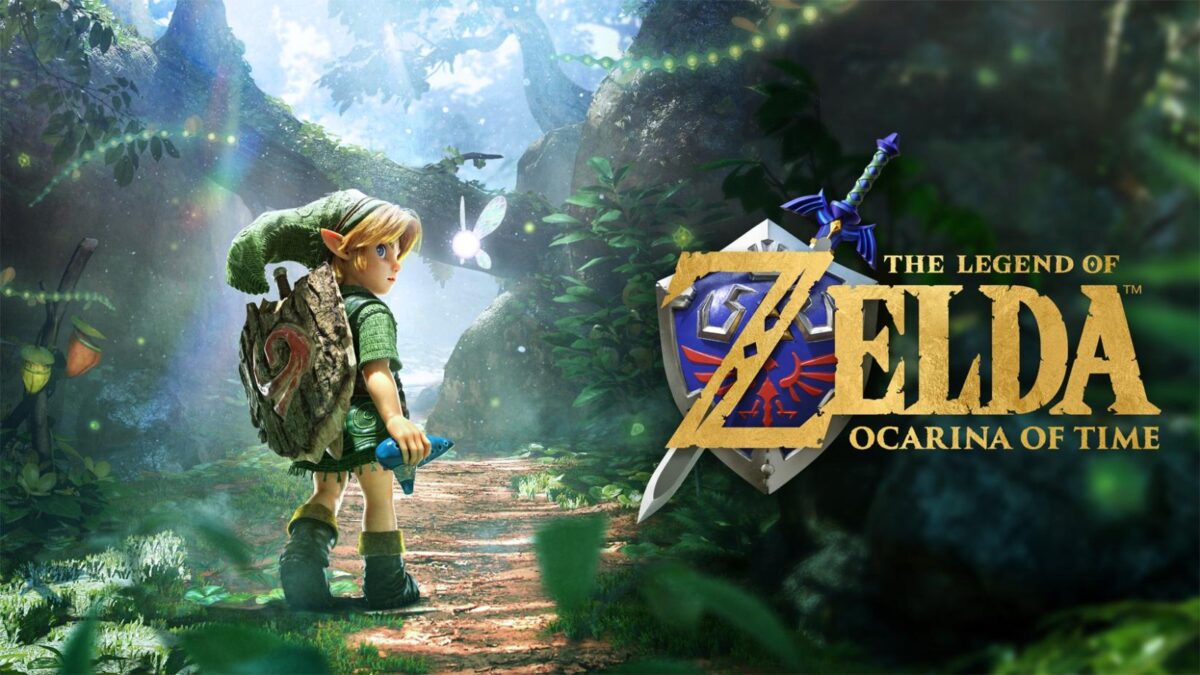
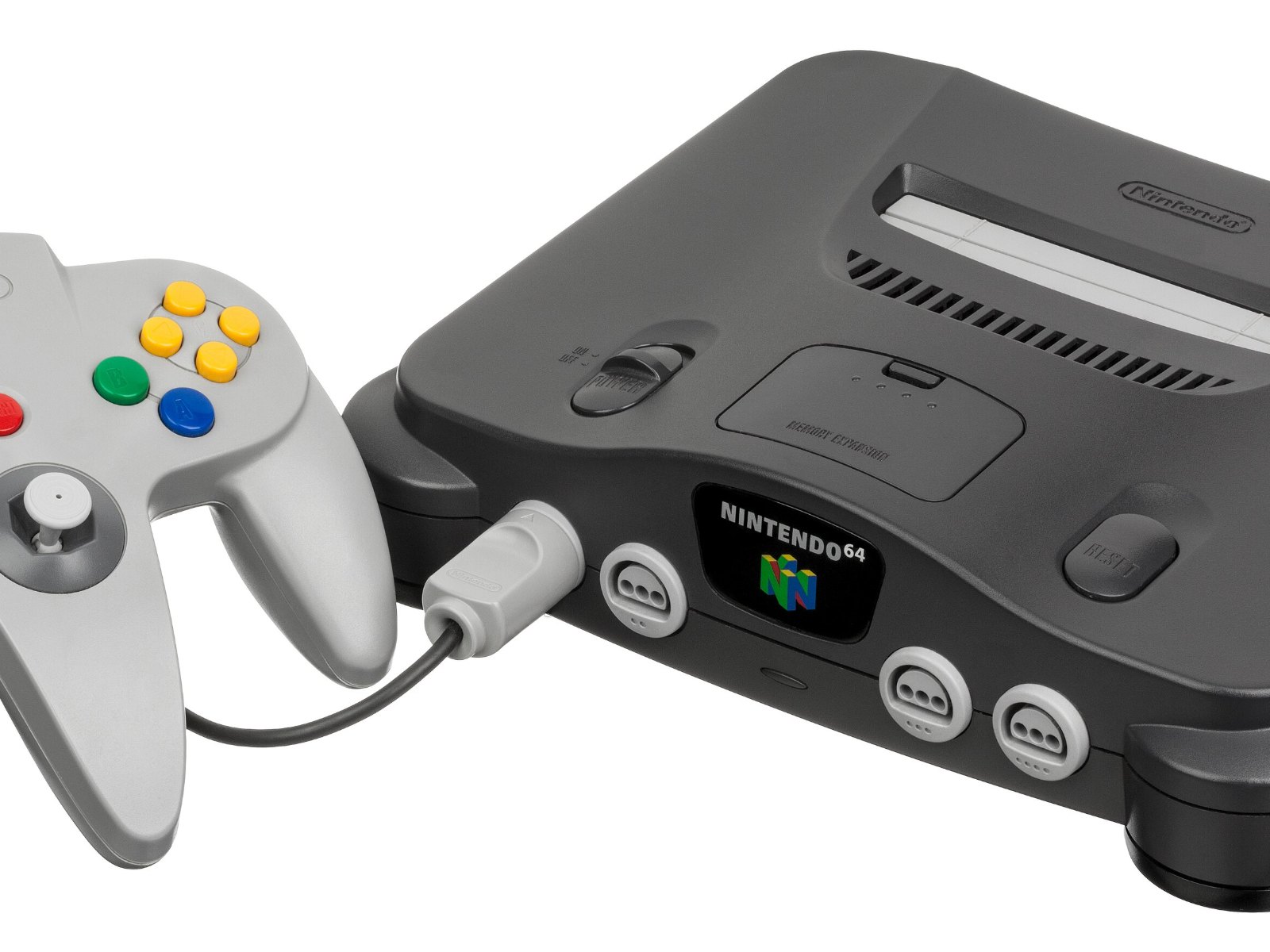
On Thursday, Nov. 5, 2026, two events that at first glance have little to do with each other fall on the same day at Nintendo. In Kyoto, the company presents its results for the first half of its fiscal year. At the same time, “The Legend of Zelda: Ocarina of Time” is released worldwide, exclusively for the Switch 2. It is a remake of a game that came out in Japan for the Nintendo 64 on Nov. 21, 1998, and is considered the highest-rated video game ever: On the review aggregation site Metacritic, it is the only game with an average score of 99. Two weeks later, on Nov. 19, 2026, “Grand Theft Auto VI” will be released.
The remake is the centerpiece of an anniversary. “The Legend of Zelda” series turned 40 on Feb. 21, 2026. Nintendo is celebrating the birthday with a package that extends far beyond a single game: a special edition of the Switch 2, a controller and a carrying case in an anniversary design, two ocarinas, a concert tour on four continents, a Lego set, an electronic Master Sword and a live-action film that opens in theaters on April 30, 2027. The anniversary is also an object lesson in how an entertainment company monetizes a brand far beyond the game itself.
Whether the remake does justice to the original cannot yet be judged as of Oct. 30, 2026. There are no reviews, only hands-on previews, whose embargo lifted on Oct. 14, 2026. What is certain is what Nintendo is changing and what it is deliberately leaving untouched. This report examines why the 1998 original enjoys such a reputation, what the series has achieved in four decades, how Nintendo monetizes its brands beyond the games, what is driving the industry’s wave of remakes and what it all means for players in Switzerland.
| Item | Status |
|---|---|
| Game | “The Legend of Zelda: Ocarina of Time,” a remake of the 1998 original, with no suffix added to the name |
| Release | Thursday, Nov. 5, 2026, worldwide |
| Platform | Nintendo Switch 2 only; there is neither a version nor an upgrade for the first Switch |
| Developer | Officially Nintendo; the company has not named a studio |
| Price | 59.99 euros or $59.99 digital, 69.99 euros or $69.99 physical; in Switzerland, a retail price of 59.60 Swiss francs (Galaxus, Oct. 30, 2026) |
| Main new features | Voiced cutscenes, symphonic orchestral music, jump button and sprint, freely controllable camera, 60 frames per second, ocarina by humming into the microphone |
| Age rating | U.S.: E10+ (ESRB); Europe: PEGI 12 according to retailers in Italy and Britain, not officially confirmed |
| Reviews | None as of Oct. 30, 2026; hands-on previews since Oct. 14, 2026 |
| Original | Nintendo 64, Japan, Nov. 21, 1998; only game with a Metascore of 99 |
| Related dates | Oct. 29, 2026: Zelda edition of the Switch 2; Nov. 5, 2026: Nintendo’s half-year results; Nov. 19, 2026: “Grand Theft Auto VI”; April 30, 2027: Zelda movie |
From rumor to the anniversary Direct
Things became concrete in March 2026. Citing its own sources, the British gaming site Video Games Chronicle (VGC) reported at the time that a new “Star Fox” and a remake of “Ocarina of Time” were planned for that year. Nintendo confirmed the new “Star Fox” shortly afterward and the remake on June 9, 2026, in a Nintendo Direct, as the company calls its presentations streamed online. A short teaser and a single image were shown, along with one sentence: “The Nintendo 64 classic returns for a new generation in 2026, reborn exclusively for Nintendo Switch 2.”
How far the remake would go was first revealed by a store description that Nintendo later replaced. The source code of the Nintendo store contained a description, VGC reported on June 15, 2026: The Nintendo 64 classic had been “reborn as a full remake for Nintendo Switch 2.” Players would experience the adventure “with stunning visuals, updated designs, and timeless gameplay.” The official announcement sentence later took its place. On Aug. 6, 2026, the company stated matter-of-factly in its quarterly report that the game was scheduled for release within the year.
On the series’ actual birthday, Feb. 21, 2026, Nintendo had remained largely silent. Asked about anniversary plans in early February, President Shuntaro Furukawa had replied that, beyond the 40th anniversary of “Super Mario Bros.,” the company could not share anything for the time being; that is how VGC rendered his answer in its own translation. Fans reacted angrily, as the website Screen Rant observed. On Sept. 8, 2026, Nintendo made up for the celebration, and did so all the more thoroughly. In “The Legend of Zelda 40th Anniversary Direct,” Eiji Aonuma, the series’ producer at Nintendo, showed gameplay footage of the remake for the first time. According to concurring translations by gaming media, he described the remake as a faithful reinterpretation using modern technology.
Nintendo is not saying which studio is doing the work. Gaming outlets such as Game Informer simply list Nintendo as the developer. In early September, a listing by the Norwegian retailer Elkjøp named Monolith Soft, the studio known for the “Xenoblade” role-playing series. Neither Nintendo nor Monolith Soft has confirmed this.
What the remake changes and what stays the same
Nintendo describes the game as a classic that is reborn on the Switch 2 “with various enhancements.” The list in its press release of Sept. 8, 2026, is long. According to the release, the graphics have been completely overhauled down to the textures of every material, actions respond more directly, loading times are shorter and the music now plays as symphonic orchestral music. Characters the hero Link encounters are fully voiced in expanded cutscenes and have more dialogue. Link himself remains silent, according to the hands-on previews. Nintendo has not specified which language versions the voice acting covers. In his preview, Gavin Lane, an editor at the gaming site Nintendo Life, praised the Japanese voice actor of the villain Ganondorf, among other things.
The controls are also noticeably different. In the original, Link jumped only automatically, when he reached a ledge while running; now there is a dedicated jump button and a sprint. The camera can be moved freely with the right stick, which was not possible with the Nintendo 64 controller. According to VGC, the game runs at 60 frames per second, about three times as many as the original. The heads-up display can be set to three levels, from “Normal” to “Pro” to “Master,” which hides it entirely. Navi, the fairy at Link’s side, interrupts far less often, according to VGC, and now comments in speech bubbles. Her call “Hey, Listen!” remains, however, as the technology site Engadget noted.
There are also some new aids. A tapestry called “Threads of Time” shows the player’s progress in the story and the next objective at any time. The ocarina, the instrument that gives the game its title, can also be played by humming a song already learned into the Switch 2’s microphone; Link then plays it back. According to Nintendo Life, the overview trailer of Oct. 14, 2026, shows a “Hall of Fallen Foes” with statues of defeated enemies. A seed can summon a merchant even in the middle of a dungeon, and fairy lights point to secrets. According to Nintendo, the locations have been completely remodeled and the camera moves freely. The cycle of day and night now continues everywhere, including in the towns.
Just as revealing is what stays the same. Nintendo has deliberately kept the loading transitions between areas. According to the translation by the Swiss Digitec Magazin, Aonuma explained that this was meant to preserve the classic feel of the game. The game’s basic structure remains intact, the previews report. The physical edition, according to netzwelt, contains the entire game on the game card rather than merely a download key. The storage requirement is about 27 gigabytes, according to the information in the Nintendo Store as reported by TV Movie and Notebookcheck.
| Feature | Original (Nintendo 64, 1998) | Remake (Switch 2, 2026) |
|---|---|---|
| Graphics | Polygon graphics of the Nintendo 64 era | Completely overhauled, down to the textures of the materials |
| Frame rate | About 20 frames per second | 60 frames per second |
| Jumping | Only automatically at ledges | Dedicated jump button, plus a sprint |
| Camera | Not freely controllable | Freely controllable with the right stick |
| Voice acting | None | Voiced cutscenes, Link remains silent |
| Music | Original music of the Nintendo 64 version | Symphonic orchestral music |
| Ocarina | Played with the controller | Also by humming into the microphone |
| Guidance | Hints from the fairy Navi | “Threads of Time” tapestry with progress and next objective |
| Locations | Design of the Nintendo 64 version | Completely remodeled, camera moves freely |
| Loading transitions | Present | Deliberately retained |
First impressions: Much praise, some reservations
Since Oct. 14, 2026, journalists have been allowed to report on their first hours with the game. These are not reviews in the strict sense: Nintendo let the gaming press play the game for a limited time, between 90 minutes and two hours depending on the outlet. The review embargo date was still unknown as of Oct. 30, 2026. There is no score yet on the Metacritic and OpenCritic sites.
The tenor is predominantly positive. James Perkins Mastromarino, who writes about games for the U.S. radio network NPR, played for 90 minutes in New York and concluded: “The ‘Ocarina of Time’ remake is the prettiest Zelda game I’ve ever played.” After two hours, Chris Scullion, deputy editor of VGC, described the audience’s special bond with the original: “‘Ocarina of Time’ isn’t just a game that people loved, it’s a game that people lived.” Gavin Lane of Nintendo Life summed up how the game feels: “In the hands, it feels exactly as it looks: ‘Ocarina of Time’ with a control and presentation infusion from ‘BOTW.'” The reference is to “Breath of the Wild,” released in 2017.
Brian Shea, executive editor of Game Informer magazine, praised the new jump button and the sprint out of a roll for making the game feel like an entirely new one. He was critical of the 1998 combat system: “Fighting Wolfos, Stalfos, and Skulltulas is more straightforward than most modern third-person fights, which may be the one area that fell slightly short of my admittedly lofty expectations.” Mastromarino, for his part, wrote: “I found that the remake’s baroque environments could confuse as well as dazzle.” And he added a caveat: “But I’ll need more than a 90-minute preview to see if its beauty is more than skin deep.”
Sam Rutherford, an editor at the technology site Engadget, gave Nintendo credit, writing that it had “smartly decided not to mess too much with the original’s formula.” Therein lies the open question that only the reviews will answer: whether a remake that treats the original so respectfully offers more in 2026 than a splendid backdrop for a familiar story.
Why the original is considered the highest-rated game
To understand why Nintendo has put this game of all games at the heart of the anniversary, one has to go back to 1998. “Ocarina of Time” was released in Japan on Nov. 21, 1998, in North America on Nov. 23, 1998, and in Europe on Dec. 11, 1998. It took the series into the third dimension for the first time. Critics were enthusiastic. The game is still considered one of the best video games of all time, the gaming site Time Extension wrote on its 25th anniversary. According to the same source, about 7 million copies were sold; other industry figures put the number at 7.6 million.
The reputation becomes measurable on Metacritic. The site aggregates reviews from specialist media into a single number, the Metascore. “Ocarina of Time” scores 99 out of 100. Guinness World Records therefore lists the game as the “Most critically acclaimed videogame,” stating that as of March 3, 2020, it was the only video game with a Metascore of 99. Charles Harte of Game Informer wrote in September 2026 that it is the only game with an average of 99 on Metacritic. He continued: “It was nothing short of revolutionary in 1998 and has inspired countless games to this day.”
The figure, however, deserves some context. The 99 points are based on 22 reviews. For “Breath of the Wild” (2017), Metacritic lists 109 reviews and a score of 97; for “Tears of the Kingdom” (2023), 150 reviews and a score of 96. A comparison spanning two decades of change in the media landscape should therefore be treated with caution. The site’s users also rate the game favorably, if less effusively: The user score stands at 9.0 out of 10, based on about 8,290 ratings (as of Oct. 30, 2026).
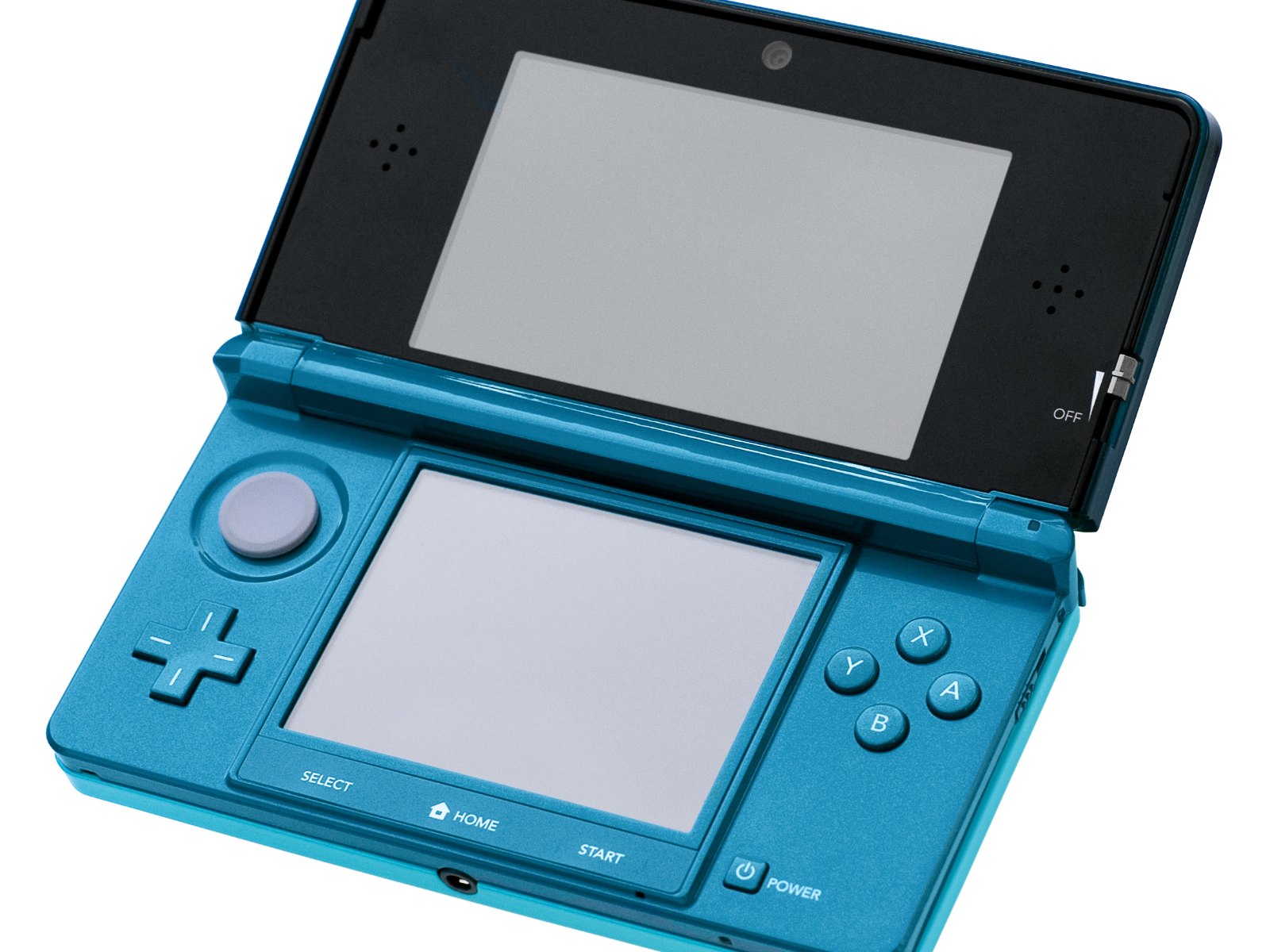
Nintendo has released the game as a remake once before. “Ocarina of Time 3D” came out in 2011 for the Nintendo 3DS handheld; Metacritic lists a Metascore of 94 for it, based on 85 reviews. According to figures from the Japanese industry association CESA cited by the online encyclopedia Wikipedia, that version had sold more than 6.4 million copies by the end of 2022. It does not appear in Nintendo’s official list of the 10 best-selling 3DS games, in which 10th place stands at 6.73 million. The Switch 2 remake is thus already the second remake of the same game. That fact plays a role in the debate over the wave of remakes.
Forty years of Hyrule in numbers
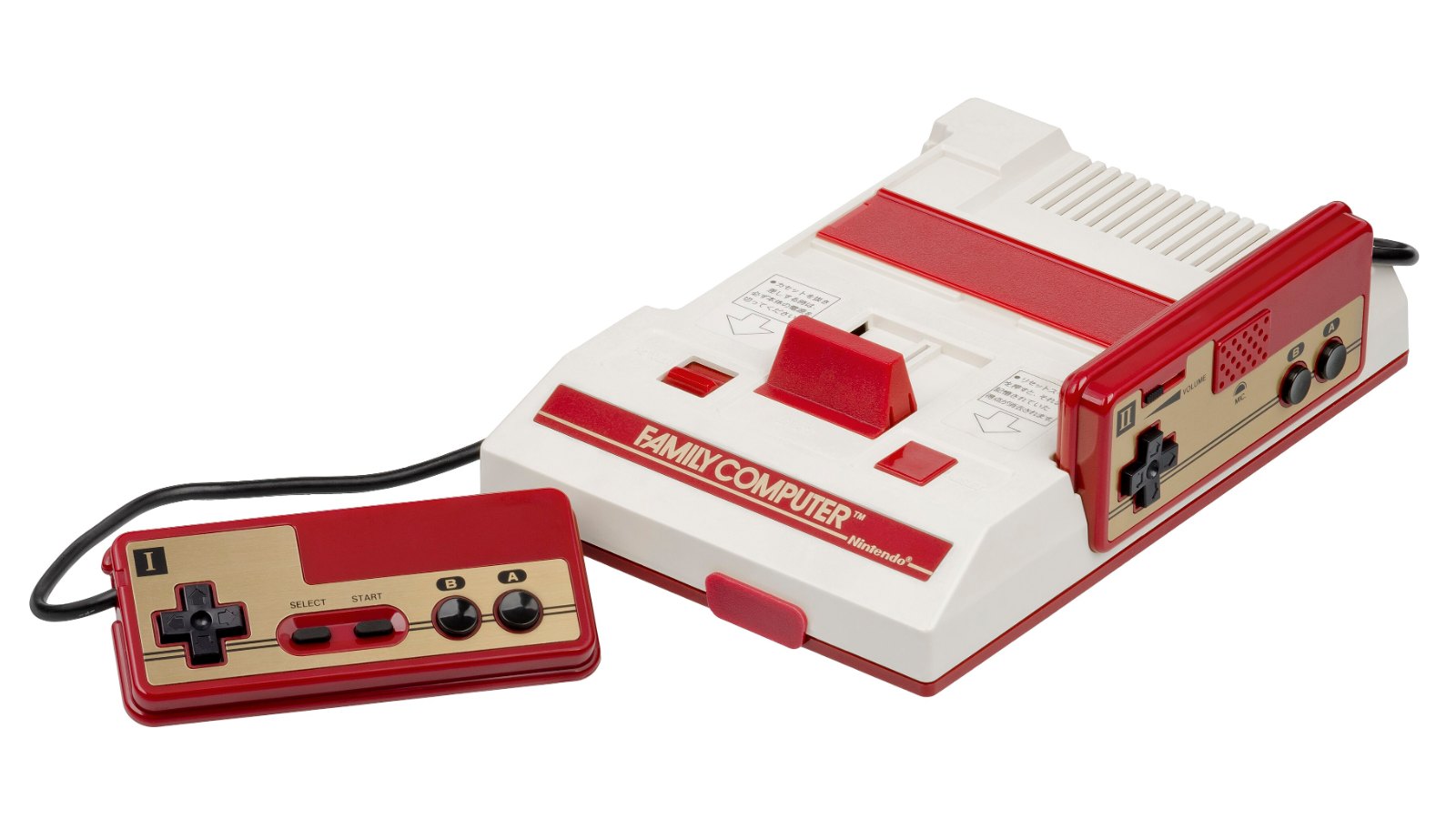
The series’ history begins on Feb. 21, 1986. On that day, “The Legend of Zelda” was released in Japan for the Disk System of the Famicom, Nintendo’s home console that was sold in the West as the Nintendo Entertainment System (NES). North America followed in August 1987. Since then, the hero Link, in changing guises, has fought for the kingdom of Hyrule and for Princess Zelda, who gives the series its name.
How big the series is overall can only be estimated roughly. Nintendo does not give a current total. Industry estimates, whose basis usually remains unclear, put the figure at 150 million to 170 million games sold. The figures for individual titles are reliable. The two most recent major adventures surpass everything the series had achieved before. “Breath of the Wild” sold 34.06 million copies on the Switch through June 30, 2026, making it Nintendo’s fourth-best-selling Switch game. “Tears of the Kingdom” stands at 22.71 million, in eighth place. For comparison: “Mario Kart 8 Deluxe,” the top seller on the list, stands at 71.53 million.
The two open-world adventures have thus outsold the 1998 original several times over: “Breath of the Wild” alone sold more than four times as many copies on the Switch as “Ocarina of Time” did on the Nintendo 64. Smaller titles operate on a different scale. “Echoes of Wisdom” from 2024 reached 3.9 million copies by the end of 2024, according to Nintendo’s financial report as cited by the fan site Zelda Universe, and the 2019 Switch remake of “Link’s Awakening” more than 6 million. The action game “Hyrule Warriors: Age of Imprisonment” for the Switch 2 passed 1 million copies sold at the end of January 2026, Koei Tecmo reported.
There is no Zelda title in the list of the best-selling Switch 2 games that Nintendo published as of June 30, 2026; the threshold for sixth and last place was 1.15 million. The remake could close that gap. It is also coming out at a time when Nintendo is monetizing the brand broadly with film, concerts and toys.
Film, concerts, Lego: Nintendo’s nostalgia business
The anniversary follows a strategy that Nintendo has pursued for several years: Its characters are meant to live not only on its own console but also in movie theaters, in concert halls, on toy shelves and in a museum. How well that can work was demonstrated in 2026 by “The Super Mario Galaxy Movie” from Illumination, Universal and Nintendo. On its 10th weekend, the animated film became the first film of the year to pass the $1 billion mark worldwide, with $429.6 million in North America and $577.5 million in the rest of the world, NBCUniversal announced on June 8, 2026.
The Zelda film is meant to carry that success over to a brand that has never been in theaters. Wes Ball is directing, and the live-action film is being produced by Nintendo, Arad Productions and Sony Pictures. Its release date already has a small history of its own. In March 2025, Nintendo named March 26, 2027; in June 2025, Shigeru Miyamoto, who is producing the film together with Avi Arad, postponed the release to May 7, 2027, for production reasons. In May 2026, he moved it up to April 30, 2027. The team was working hard to show the film to everyone as soon as possible, Miyamoto said in a statement at the time. Nintendo confirmed the date in the Direct of Sept. 8, 2026.
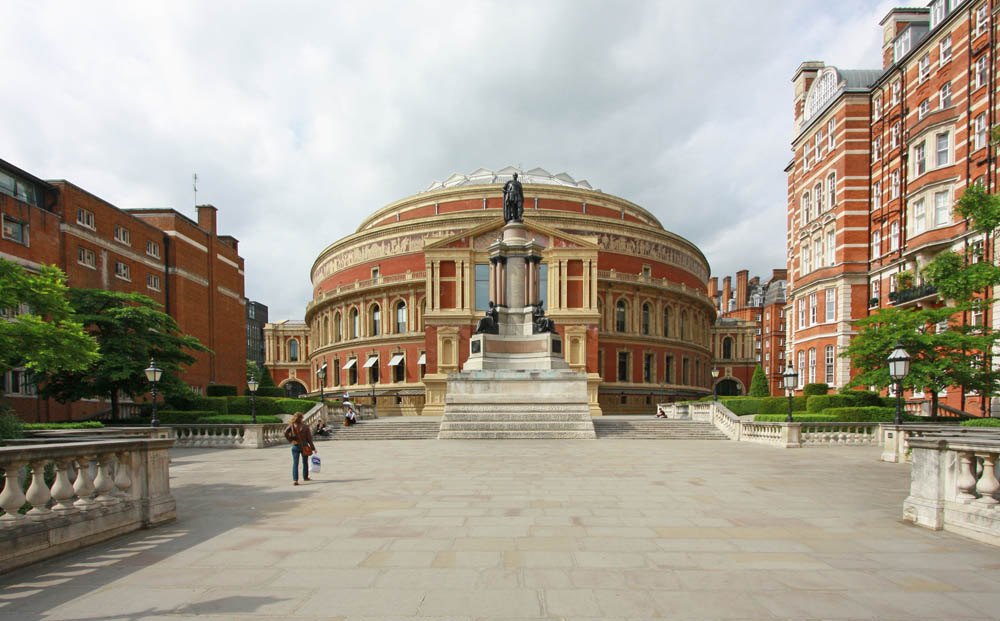
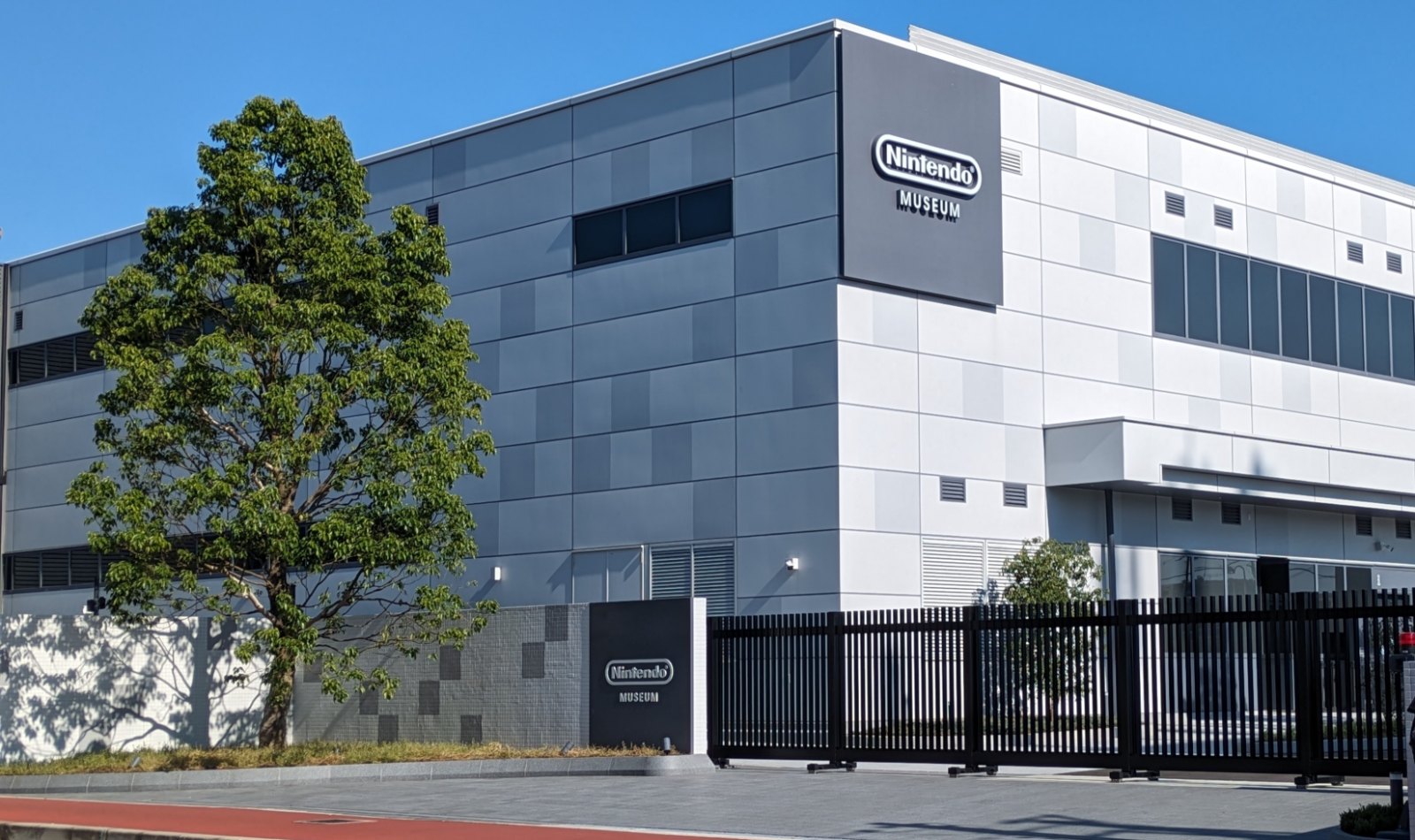
At the same time, Nintendo is taking to the concert halls. The tour “The Legend of Zelda 40th Anniversary Concert” begins on Jan. 23, 2027, at the Tokyo Garden Theatre. Its stops include Symphony Center in Chicago, the Royal Albert Hall in London, the Sydney Opera House and Carnegie Hall in New York. Concerts in France, Germany, Italy and Spain are to be announced later, according to Nintendo; Switzerland is not mentioned. In addition, a 1,750-piece Lego set “Link & Epona” and an electronic Master Sword from Hasbro, about 69 centimeters long, will be available starting in spring 2027. Starting Nov. 5, 2026, the Nintendo Museum in Kyoto will offer new photo spots for the anniversary.
Nintendo is also present in fans’ everyday lives. For the remake, the companion app Zelda Notes is getting a daily quiz with more than 2,000 questions; additional attempts cost rupees, the in-game currency. In the Nintendo Today app, users have been able to collect digital Zelda cards daily since Sept. 9, 2026. According to a report by the fan site Zelda Universe, which relied on the newspaper Kyoto Shimbun, Nintendo President Furukawa described the film projects not as a means of generating short-term profits. Rather, they were meant to expand the reach of the characters and worlds. The anniversary shows what this principle is supposed to look like in practice: The offerings lead back to the brand.
The anniversary package: What Nintendo announced on Sept. 8, 2026
The Switch 2: Successful, but more expensive
The remake is being released exclusively for the Switch 2. The console went on sale on June 5, 2025, and is a commercial success: Through June 30, 2026, Nintendo shipped 23.68 million units, more than the GameCube in its entire lifetime, as the website Nintendo World Report calculated. On top of that came 58.17 million games sold. The top seller is “Mario Kart World,” with 15.39 million copies.
The momentum is waning, however. In the first quarter of the fiscal year, from April to June 2026, Nintendo shipped 3.82 million consoles, about a third fewer than in the launch quarter a year earlier. Revenue fell by just under 10% to 517.8 billion yen, while operating profit rose by about 150%. For the full fiscal year through the end of March 2027, Nintendo expects to sell 16.5 million Switch 2 consoles, after 19.9 million the previous year, the news agency Reuters reported in May. The company confirmed its financial forecast in August.
At the same time, the console is getting more expensive. Since Sept. 1, 2026, the Switch 2 has cost 499.99 euros instead of 469.99 euros in Europe and $499.99 instead of $449.99 in the U.S. In Japan, the price of the Japanese-language version had already risen on May 25, 2026, from 49,980 yen to 59,980 yen. Nintendo cited changed market conditions and the outlook for the global economy. “We sincerely apologize for the impact these price revisions may have on our customers and other stakeholders,” the company said.
Nintendo is not alone. On April 2, 2026, Sony raised the price of the PlayStation 5 in Europe by 100 euros to 649.99 euros, that of the digital version to 599.99 euros and that of the Pro version to 899.99 euros. Sony had decided to raise prices “with continued pressures in the global economic landscape,” wrote Isabelle Tomatis, vice president of global marketing at Sony Interactive Entertainment. Microsoft followed on Aug. 1, 2026, with increases of up to 200 euros. According to PC Games Hardware, the new prices appeared in stores without a separate announcement; the round of price increases had already been announced in June. According to Digitec, Microsoft attributed the move to the cost of memory chips, which had risen to more than two and a half times their previous level within months. The Xbox Series X has since cost 799.99 euros, the Series S 499.99 euros. Measured against these jumps, Nintendo’s increase of 30 euros was moderate.
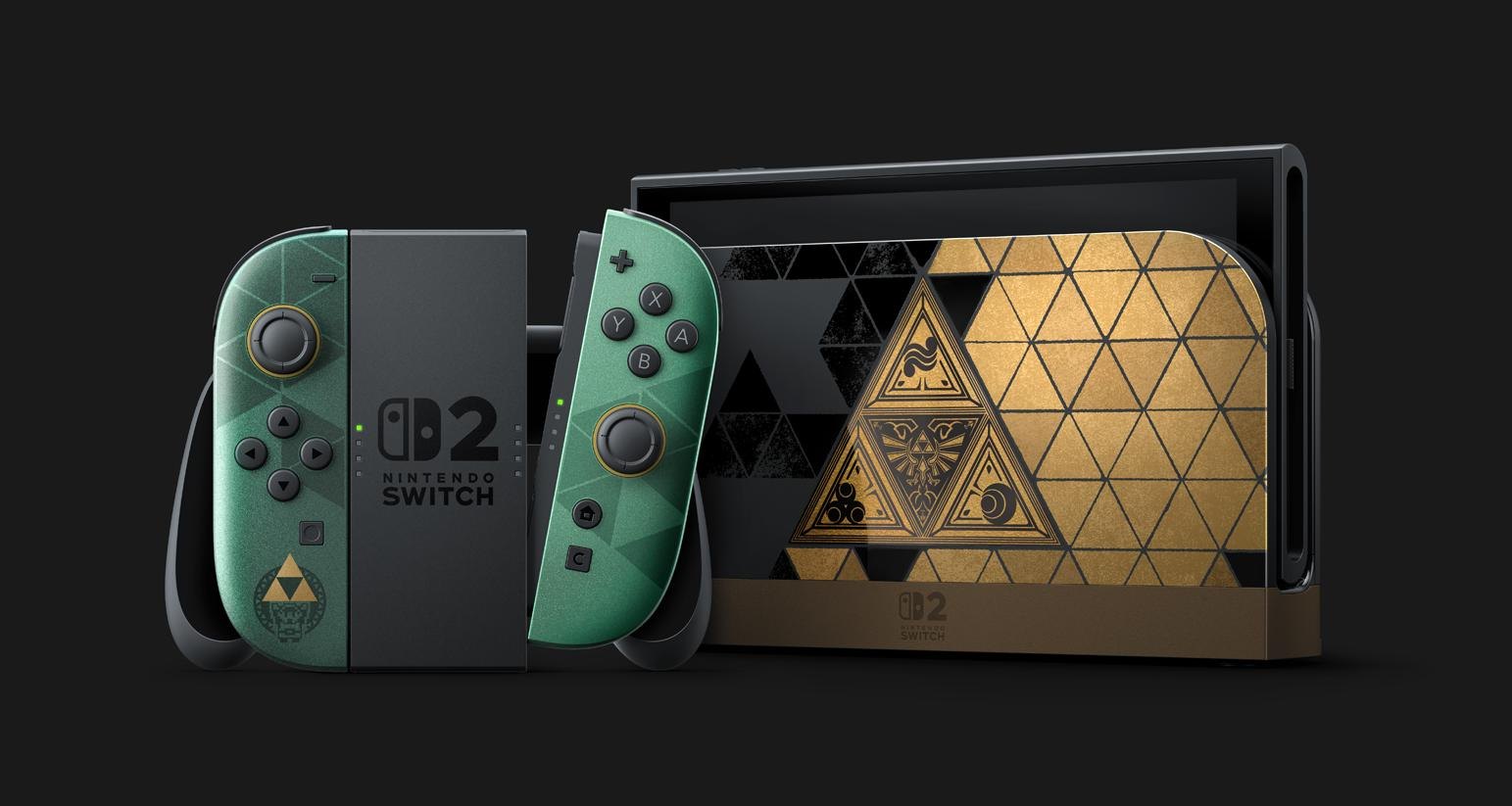
The Zelda edition of the Switch 2, in stores since Oct. 29, 2026, arrives in this environment. It has dark green Joy-Con 2 controllers, and golden Triforce details adorn the dock. It costs 519.99 euros or $519.99; the game is not included. In the U.S., preorders sold out immediately in many places after the Direct, and resellers on eBay asked as much as $1,000, Tom’s Hardware reported. In Germany, eBay listings were at 660 euros and 699.95 euros. We were unable to verify an official Swiss price for the edition.
Two weeks before “GTA VI,” on the day of the half-year results
The release date has two sides. On the investor front: On Nov. 5, 2026, Nintendo presents its half-year results. The remake is likely to become part of the story the company tells its shareholders that same day. Sales figures for the game cannot yet be included, because the half-year ended on Sept. 30, 2026. Interest is therefore likely to focus all the more on the outlook, on the holiday season and on whether Nintendo will reach its annual targets for the Switch 2.
On the competitive front: The remake comes out two weeks before “Grand Theft Auto VI,” which will be released on Nov. 19, 2026, for platforms including the PlayStation 5. The earlier date gives the remake a head start in the holiday season.
In Japan, Nintendo’s home market, preorders point to strong interest. In the Amazon Japan preorder ranking for the week from Sept. 20 to Sept. 26, 2026, the remake took first place, the magazine Famitsu reported. A bundle with the Pro Controller followed in fourth place, and an edition with an Amazon bonus in sixth. “Grand Theft Auto VI” for the PlayStation 5 came in fifth. No reliable figures are available from other markets; isolated observations at online retailers do not allow any conclusions about overall demand.
The remake wave: Why the industry is reaching into its archives
Nintendo is not alone in this course. The industry is experiencing a wave of remakes and remasters, that is, games that are technically rebuilt or merely polished up. The research firm Ampere Analysis counted a total of 42 such titles between January 2024 and September 2025: 15 remakes and 27 remasters. They reached 72.4 million players on Xbox, PlayStation and the PC platform Steam and generated more than $1.4 billion in revenue; some players may have been counted more than once. On average, a remake brought in 2.2 times as much as a remaster. Nintendo’s platforms are not included in these figures. Because the costs of games and of developing intellectual property are rising, publishers are “increasingly raiding” their back catalogs, noted Katie Holt, a senior analyst at Ampere Analysis.
The big successes are well documented. The 2019 remake of “Resident Evil 2” reached 16 million units sold, according to the gaming site Inven Global, and the 2023 remake of “Resident Evil 4” more than 12 million by January 2026; the same source puts the original “Resident Evil 4” at 15 million. “The Elder Scrolls IV: Oblivion Remastered” was the best-selling game of the month in the U.S. in April 2025, according to the market research firm Circana. Circana analyst Mat Piscatella pointed out that the remaster sold more copies in about a week than the original did in its first 15 months. According to an analysis by the website TheGamer cited by Inven Global, the share of remakes, remasters and re-releases among the 50 highest-rated games rose from 20% in 2024 to 32% in 2025.
Nintendo has been drawing on its own archive for years. The remake of “Link’s Awakening” sold more than 6 million copies; “Super Mario RPG” sold about 3.1 million, according to a Nintendo report from February 2024. The “Star Fox” remake followed at the end of June 2026. In the first quarter, it remained below 1 million units shipped, although it had been on sale for just under a week. In November 2025, Ampere named “Ocarina of Time 3D” and “A Link to the Past” among 18 titles with potential for a remake or remaster.
With critics, the series’ remakes and remasters compared here always fared worse than the games they were based on. “Ocarina of Time 3D” scored 94 points, compared with 99 for the original, and “Majora’s Mask 3D” 89, compared with 95. The HD versions of “The Wind Waker” and “Skyward Sword,” at 90 and 81 points, were each well below the originals at 96 and 93 points, as a compilation by Prima Games shows.
Audiences are going along with it nonetheless. In a survey by MTM with Rigour Research of 1,500 players in the U.S. and Britain, 90% said they had already played a remake or remaster, and 85% had even done so without having played the original. This is according to a summary by the industry newsletter GameDev Reports. Comfort and nostalgia were cited as a motive by 80%. Expectations on price are muted: 48% expect a lower price for remakes and remasters than for new games, and only 26% would pay the same. A gap of five to 10 years from the original is considered ideal by 71%. For “Ocarina of Time,” the gap is 28 years.
Switzerland: Market, prices and youth protection
For Switzerland, the anniversary is above all a question of the market and of prices. According to PwC Switzerland’s Entertainment and Media Outlook of Oct. 1, 2026, the video game segment is returning to moderate growth “after a weak 2025” and is expected to reach revenue of 754 million Swiss francs by 2030. The most important drivers are social and casual games, whose revenue is expected to grow from 340 million to 421 million francs. According to the Digimonitor 2025 study by the Swiss organizations IGEM and WEMF, about 3.6 million people in Switzerland play computer and video games, 246,000 more than in the previous year. That corresponds to 57% of internet users between the ages of 15 and 75.
In April 2013, Nintendo of Europe announced its own branch in Zurich, as the website Nintendo Insider reported at the time. Before that, Waldmeier AG had been responsible for marketing and selling Nintendo products in Switzerland. By press time, we were unable to verify an official franc price for the remake in the Swiss Nintendo eShop. On Oct. 30, 2026, the Swiss online retailer Galaxus listed an edition labeled as German-language for 59.60 francs; the page does not indicate whether it is the physical or the digital version. According to its product title, MediaMarkt lists a version with German, French and Italian language options. In Germany, the physical version costs 69.99 euros, the digital version 59.99 euros.
An official Swiss price is also lacking for the console. According to Digitec, Nintendo gave no details for Switzerland on the increase of Sept. 1, 2026. Before the launch in June 2025, the Swiss news site nau.ch had reported an entry price of about 470 francs, or 510 francs in a bundle with “Mario Kart World.” On Oct. 30, 2026, Digitec listed the console for 390 francs and the bundle for 479 francs. At the end of October, retail prices were thus well below the launch price reported at the time.
What is new is the legal framework. Since Jan. 1, 2025, the first stage of the federal law on the protection of minors in the areas of film and video games, known by its German abbreviation JSFVG, has been in force. The law requires providers to set a minimum age for every piece of content, display it visibly and carry out age checks. Test purchases are permitted, and violations can be punished with fines of up to 40,000 francs. The industries have two years to draw up their own youth protection rules, which the Federal Council declares binding; by calculation, the deadline expires at the end of 2026. Whether the video game industry has submitted its rules could not be determined. For the remake, retailers in Italy and Britain cite the PEGI 12 age rating, which is the relevant standard in Switzerland; we were unable to check the rating in PEGI’s database. In the U.S., the self-regulatory body ESRB rated the game “Everyone 10+” because of animated blood and fantasy violence. There, the 1998 original had still been rated for all ages.
Zelda has written a Swiss chapter on the concert stage. On Nov. 21, 2015, an orchestra performed music from the Zelda games in Switzerland for the first time, at Zurich’s Hallenstadion, under the direction of conductor Amy Andersson. Radio SRF 3, a station of the Swiss public broadcaster SRF, afterward summed up the audience’s reaction in three German words meaning “More of this, please!” No Swiss date had been announced for the 2027 tour as of mid-October 2026; the closest are the concerts in France, Germany and Italy, which have been announced but not yet scheduled. The Digitec Magazin of the online retailer Digitec Galaxus covered the remake extensively. Editor Domagoj Belancic wrote after the Direct that it looked “sensational.” For the anniversary in February, Galaxus editor Debora Pape had published “a declaration of imperfect love.” In essence, she wrote that the open worlds of the newer installments lacked some of the mystical aura of the older games.
Arena: Love letter to a classic or cash cow with no new ideas?
The debate question is whether a remake like that of “Ocarina of Time” is a bow to a masterpiece or a business that crowds out new ideas. The arguments on both sides, each with supporting evidence:
A love letter to a classic
- New generations gain access: Young people hardly have the chance to play 10-year-old games, and re-releasing them in a more playable form is a good way to meet demand, Shigeru Miyamoto said in substance in a July 2026 interview with the magazine Famitsu (English rendering by Nintendo Wire). According to MTM, 85% of respondents played a remake or remaster without having played the original.
- The original is respected: Nintendo is deliberately keeping the loading transitions in order to preserve the classic feel of the game (Aonuma, according to Digitec). Engadget concluded: “The game still feels fresh and exciting while retaining everything that made it the classic it is today.”
- A cultural treasure stays alive: “‘Ocarina’ defined childhoods, putting many players and developers on a path with the medium,” wrote Gavin Lane of Nintendo Life. The remake brings the work to the Switch 2 in a contemporary form; the original is already playable for subscribers to Nintendo Switch Online + Expansion Pack through the Nintendo Classics library.
- Audiences want it: 80% of respondents cite comfort and nostalgia as a motive, and 67% consider remakes and remasters the best way to play old games (MTM with Rigour Research). “Oblivion Remastered” was the best-selling game in the U.S. in April 2025 (Circana).
- The original is not replaced: “You never replace the GOAT,” wrote Justin Ng, a producer at Ubisoft, about the remake “Assassin’s Creed Black Flag Resynced” (TheGamer). The 99 points remain with the 1998 original.
A cash cow with no new ideas
- Nothing new without risk: If there is no risk, nothing good will come of it, game developer Hideo Kojima said in substance in a 2025 interview with the magazine SSENSE (GamesRadar).
- Back catalogs as a quarry: Because of rising development costs, publishers are “increasingly raiding” their back catalogs, says Katie Holt, a senior analyst at Ampere Analysis. From January 2024 to September 2025, 42 remakes and remasters generated more than $1.4 billion in revenue (Ampere).
- The recycling trap: Perry Gresham, an analyst at MIDiA Research, warned back in 2022 that “if companies do not produce enough new hit games now, they will not have the content to produce future remasters.”
- The same game a second time: Nintendo already released “Ocarina of Time” as a remake for the 3DS in 2011. Back in February 2026, before the announcement, freelance writer Nathan Ellingsworth wrote at GamesRadar that he did not consider a second remake “a particularly thrilling way” to celebrate the anniversary. None of the Zelda remakes and remasters compared here matched the score of its original (Metacritic, Prima Games).
- Paying for the familiar: Nintendo is charging 69.99 euros for the physical edition, while 48% of respondents expect a lower price for remakes and remasters than for new games (MTM). In the hands-on previews, Game Informer faulted the straightforward combat.
Commentary: A beautiful remake is no substitute for a bold new venture
Judging by everything the hands-on previews show, little can be said against this remake that would not also apply to any good new edition of a classic. Making a 1998 game playable on 2026 hardware, with a freely controllable camera, a jump button and voiced scenes, is a service to everyone who has never played the original. According to the MTM survey, they are the large majority of those who play remakes and remasters. That Nintendo is leaving the loading transitions in place and preserving the basic structure shows respect. A company that treats its highest-rated work this way takes its own history seriously.
At the same time, it would be naive to read the anniversary as a pure love letter. Anyone who looks at the package sees a well-thought-out business model: a special console for 519.99 euros, a controller, a case, ocarinas, figures, a Lego set, a toy sword, concerts, an app with a quiz and a feature film. Nintendo is charging up to 69.99 euros for the remake, even though the company already released the same game as a remake in 2011. Those who speak of a cash cow have the numbers on their side: Because development costs are rising, publishers are increasingly turning to their back catalogs, according to Ampere Analysis; 42 remakes and remasters generated more than $1.4 billion in revenue in 21 months.
And yet the accusation falls short if it denies Nintendo imagination. The best-selling Zelda is, of all things, the one that dared the most: In 2017, “Breath of the Wild” opened up the world of the series and sold more than 34 million copies on the Switch, more than four times as many as “Ocarina of Time” on the Nintendo 64. That is the strongest argument against pure nostalgia. With Zelda, the new sells better than the old. The company knows that.
The remake is therefore not proof of a lack of ideas but a pause between two bold ventures. Whether the pause is justified will be decided not on Nov. 5, 2026, but afterward. For players, including in Switzerland, this means: Those who have never played the original will, based on everything known so far, get an accessible version of a milestone. Those who know it should wait for the reviews, which had not been published as of Oct. 30, 2026.
Nintendo, for its part, should not get carried away by any success the remake may have. The anniversary will have succeeded if it brings in the money for the next bold venture. Hyrule has shown that it can reinvent itself. It should not stop doing so.
As of Oct. 30, 2026. No reviews or scores for the remake had been published as of that date; the assessments are based on hands-on previews whose embargo lifted on Oct. 14, 2026. We will update this article once reviews and Nintendo’s half-year results of Nov. 5, 2026, are available. Statements originally made in English are quoted in their original wording where it was available and paraphrased otherwise. Statements by Nintendo representatives and Hideo Kojima that are available only as translations from Japanese are rendered in indirect speech. Nintendo names no developer studio and no current total of Zelda games sold; the range cited is based on industry estimates. We were unable to verify official franc prices for the remake, the Zelda edition and the Switch 2 since Sept. 1, 2026; the franc prices cited for the game and the console are retail prices or media reports. The PEGI 12 age rating comes from retailer information. The Metascores of “Majora’s Mask,” “The Wind Waker,” “Twilight Princess,” “Skyward Sword” and the HD versions come from a compilation by Prima Games; we checked the others on Metacritic. The sales figures in the chart have different reporting dates. We did not find any reports by the Swiss public broadcasters SRF, RTS or RSI on the 2026 anniversary. Quotes originally given in another language were translated by the editors. Sources are cited in their original language.
Related coverage: The Game Awards 2026: GTA VI, a tight cutoff and a jury racing the clock · Grand Theft Auto VI: Thirteen years of waiting and a fever gripping the world · Hogwarts by subscription: The new Harry Potter series and the billion-dollar business of nostalgia · Modern Warfare 4: Call of Duty heads to Korea and fights for its crown
Sources
- Nintendo of America via Business Wire: The Legend of Zelda 40th Anniversary Celebration Revealed in New Nintendo Direct Presentation (Sept. 8, 2026)
- Nintendo Investor Relations: Materials for the first quarter of fiscal year 2026/27 (Aug. 6, 2026)
- Nintendo Investor Relations: Dedicated Video Game Sales Units (as of June 30, 2026)
- Nintendo Investor Relations: Top Selling Title Sales Units, Nintendo Switch 2 (as of June 30, 2026)
- Nintendo Investor Relations: Top Selling Title Sales Units, Nintendo Switch (as of June 30, 2026)
- Nintendo Investor Relations: Top Selling Title Sales Units, Nintendo 3DS (as of March 31, 2026)
- Nintendo Investor Relations: IR Calendar (accessed Oct. 30, 2026)
- Metacritic: The Legend of Zelda: Ocarina of Time, Nintendo 64 (accessed Oct. 30, 2026)
- Metacritic: The Legend of Zelda: Ocarina of Time 3D (accessed Oct. 30, 2026)
- Metacritic: The Legend of Zelda: Majora’s Mask 3D (accessed Oct. 30, 2026)
- Metacritic: The Legend of Zelda: Breath of the Wild (accessed Oct. 30, 2026)
- Metacritic: The Legend of Zelda: Tears of the Kingdom (accessed Oct. 30, 2026)
- Metacritic: The Legend of Zelda: Echoes of Wisdom (accessed Oct. 30, 2026)
- Prima Games: The Legend of Zelda Games Ranked by Critic Scores (undated)
- Guinness World Records: Most critically acclaimed videogame (Metacritic) (as of March 3, 2020)
- VGC: Zelda: Ocarina of Time remake officially announced for Nintendo Switch 2 (June 9, 2026)
- VGC: Nintendo says Zelda: Ocarina of Time remake will have timeless gameplay (June 15, 2026)
- VGC: Nintendo boss stays tight-lipped when asked about Zelda 40th anniversary plans (Feb. 4, 2026)
- VGC: After two hours playing The Legend of Zelda: Ocarina of Time remake, it’s fired a Hookshot into my heart again (Oct. 14, 2026)
- NPR via WUNC: Hands-on with the Ocarina of Time remake, the most ornate Zelda game ever made (Oct. 14, 2026)
- Nintendo Life: Preview: Zelda: Ocarina Of Time On Switch 2 Brims With Breathtaking Detail, Plus One Familiar Irritation (Oct. 14, 2026)
- Game Informer: A Beautiful Step Back In Time (Oct. 14, 2026)
- Engadget: The Legend of Zelda: Ocarina of Time preview (Oct. 14, 2026)
- Nintendo Life: Zelda: Ocarina Of Time Overview Trailer Is So Beautiful We Can’t Cope (Oct. 14, 2026)
- Game Informer: A Timely Update (Sept. 29, 2026)
- Gematsu: The Legend of Zelda: Ocarina of Time remake launches November 5 (Sept. 8, 2026)
- Zelda Universe: Nintendo reveals Ocarina of Time remake trailer and release date for the Switch 2 (Sept. 8, 2026)
- Digitec Magazin: Das «Ocarina of Time»-Remake sieht sensationell aus (Sept. 8, 2026)
- TV Movie: Zelda: Ocarina of Time für Switch 2: Release, Preise, Editionen (Sept. 9, 2026)
- netzwelt: The Legend of Zelda: Ocarina of Time für Switch 2 kommt physisch, mit Okarina-Schlüsselanhänger (Oct. 7, 2026)
- Notebookcheck: The Legend of Zelda: Ocarina of Time: Switch-2-Remake startet mit diesen Upgrades zum Original (Oct. 18, 2026)
- Notebookcheck: Leak lists Zelda Ocarina of Time remake developer as Xenoblade Chronicles studio (Sept. 3, 2026)
- Nintendo Life: The Legend Of Zelda: Ocarina Of Time Switch 2 Rating Surfaces Online (July 30, 2026)
- Time Extension: Anniversary: Zelda: Ocarina Of Time Is 25 Years Old Today (Nov. 21, 2023)
- Wikipedia: The Legend of Zelda: Ocarina of Time, sales figure of 7.6 million according to IGN, Nintendo Classics (accessed Oct. 30, 2026)
- Wikipedia: The Legend of Zelda: Ocarina of Time 3D, sales figure according to CESA Games White Paper 2023 (accessed in October 2026)
- Zelda Universe: Historic 2024 sales numbers are in for Nintendo Switch Zelda games (Feb. 11, 2025)
- Nintendo Life: Metroid Prime 4: Beyond Sales Have Got Off To A Slow Start, with figures for Hyrule Warriors: Age of Imprisonment (Feb. 3, 2026, updated Feb. 5, 2026)
- Screen Rant via OpenCritic: The Legend of Zelda fans outraged at 40th anniversary celebration (March 7, 2026)
- NBCUniversal: Illumination and Universal Pictures: Super Mario Galaxy becomes first $1 billion film of 2026 (June 8, 2026)
- Engadget: The Legend of Zelda movie hits theaters on March 26, 2027 (March 28, 2025)
- Gematsu: The Legend of Zelda live-action film delayed to May 7, 2027 (June 9, 2025)
- VGC: After being delayed, The Legend of Zelda movie has now been brought forward (May 14, 2026)
- Wikipedia: The Legend of Zelda (film), producers (accessed Oct. 30, 2026)
- Zelda Universe: Nintendo builds momentum with Switch 2 sales and a broader vision for Zelda (Jan. 20, 2026)
- VGC: Zelda 40th anniversary concert tickets go on sale in Europe this week as Nintendo says more countries are coming (Sept. 29, 2026)
- Nintendo Life: Zelda 40th Anniversary Concert Tour: Dates, Locations, Sale (updated Oct. 12, 2026)
- Nintendo World Report: Nintendo Releases First Quarter Results For 2026/27 Fiscal Year (Aug. 6, 2026)
- Reuters via The Star: Nintendo forecasts 16.5 mln annual Switch 2 sales, hikes prices (May 8, 2026)
- Shacknews: Nintendo Switch 2 price increase (May 7, 2026)
- Digitec Magazin: Nintendo raises the price of the Switch 2 (May 8, 2026)
- PlayStation Blog: New price changes for PS5, PS5 Pro and PlayStation Portal Remote Player (March 27, 2026)
- netzwelt: Sony erhöht die PS5-Preise um 100 Euro (March 27, 2026)
- PC Games Hardware: Xbox Series X: Preiserhöhung in Europa auf 799 Euro (Aug. 2, 2026)
- Game Developer: Xbox hardware now costs a lot more in the UK and Europe (Aug. 3, 2026)
- Digitec Magazin: Xbox Series X and S to become up to 200 euros more expensive in Europe (Aug. 3, 2026)
- Nintendo Life: Zelda 40th Anniversary Special Edition Switch 2 Console And Pro Controller Launch This October (Sept. 8, 2026)
- Tom’s Hardware: Switch 2 Zelda 40th Anniversary Edition preorders hit $1,000 on eBay (Sept. 9, 2026)
- netzwelt: Nintendo Switch 2: Zelda-Sonderedition zum 40. Jubiläum (Oct. 29, 2026)
- Famitsu: Amazon preorder ranking from Sept. 20 to Sept. 26, 2026 (Oct. 2, 2026)
- GamesMarkt: Ampere Analysis: $1.4bn was spent on remakes and remasters in 2024/2025 (Nov. 4, 2025)
- VGC: IP holders are sitting on a wealth of content, analytics firm lists 18 games ripe for remake or remaster success (Nov. 6, 2025)
- Inven Global: The Golden Age of Remakes: Why Game Companies Are Looking to the Past (July 23, 2026)
- Push Square: Oblivion Remastered sales prove the power of nostalgia and shadow drops (May 21, 2025)
- Game Informer: Latest Nintendo Quarterly Results Reveal 20 Million Zelda Sales, 3 Million Mario RPG (Feb. 6, 2024)
- GameDev Reports: MTM: Remakes and Remasters in 2025 (Oct. 16, 2025)
- MIDiA Research: Are the short-term benefits of rereleases luring big games companies into a long-term trap (Oct. 21, 2022)
- GamesRadar: Hideo Kojima says too many AAA games play it safe (July 31, 2025)
- GamesRadar: Forget another Ocarina of Time remake, Nintendo needs to get weird with Zelda’s 40th anniversary (Feb. 16, 2026)
- Nintendo Wire: Shigeru Miyamoto explains his philosophy on remakes and why Nintendo continues to develop them (July 22, 2026)
- TheGamer via OpenCritic: Assassin’s Creed Black Flag Resynced team lead admits you never replace the GOAT (April 30, 2026)
- PwC Switzerland: Swiss Entertainment and Media Outlook 2026 to 2030 (Oct. 1, 2026)
- GamesMarkt: Swiss games market: 57% of the Swiss population plays games (April 8, 2026)
- Nintendo Insider: Nintendo of Europe open Swiss office (April 4, 2013)
- Galaxus Magazin: Available for pre-order now: the Ocarina of Time remake for the Switch 2 (Sept. 15, 2026), retail price accessed Oct. 30, 2026
- MediaMarkt Switzerland: Product page The Legend of Zelda: Ocarina of Time, Nintendo Switch 2, Deutsch, Französisch, Italienisch (retail listing)
- nau.ch: Nintendo Switch 2: Preis und Funktionen im Überblick (April 3, 2025)
- Digitec Magazin: The Nintendo Switch 2 is coming, retail prices accessed Oct. 30, 2026 (April 4, 2025)
- Galaxus Magazin: 40 years The Legend of Zelda: a declaration of imperfect love, English version of the column “Liebeserklärung mit Makeln” (Feb. 13, 2026)
- Federal Social Insurance Office (FSIO): Jugendschutz in den Bereichen Film und Videospiele (JSFVG) (Nov. 5, 2025)
- Federal Council: Press release on the entry into force of the law on the protection of minors in film and video games (June 26, 2024)
- Unieuro: The Legend of Zelda: Ocarina of Time, retail listing stating PEGI 12
- Radio SRF 3: Zelda-Gamemusik als Konzert: «Mehr davon!» (Nov. 23, 2015)

Comments 0