Eleven days without Huang: How the White House brought back Nvidia’s CEO
Eleven days after resigning, Jensen Huang is back as Nvidia’s CEO. The board cites input from the U.S. government. President Trump points to his personal involvement. An analysis of an unprecedented comeback, the open questions and the cost to a company’s independence.
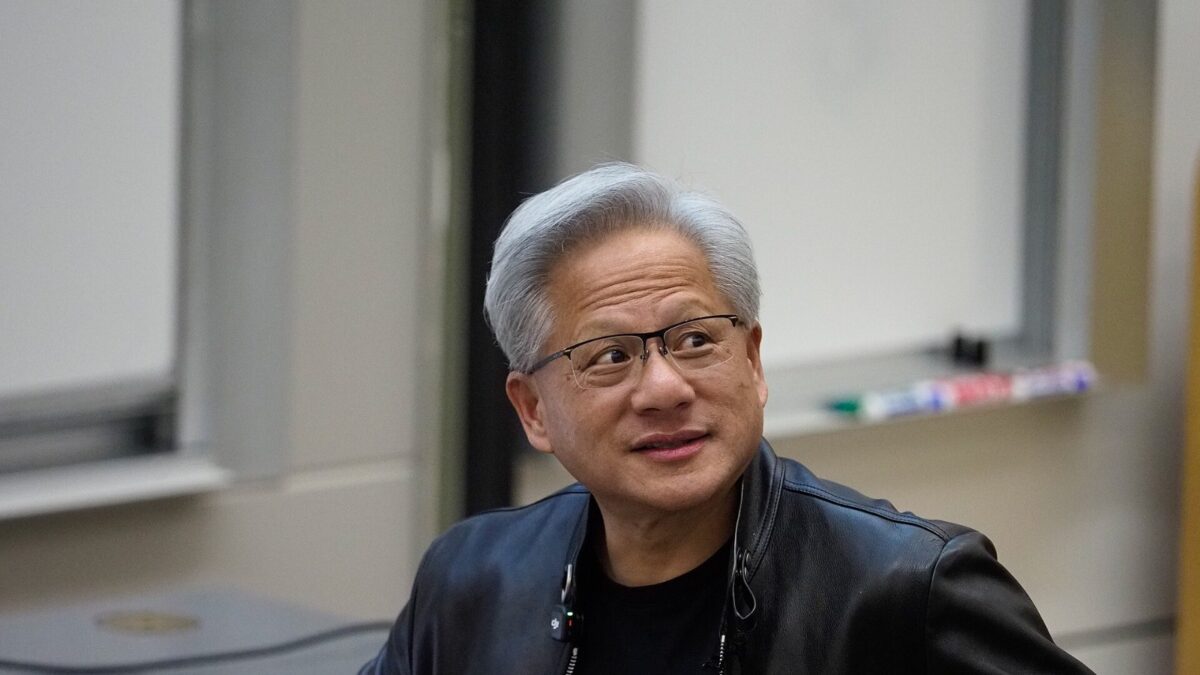
On Tuesday, Nov. 17, 2026, the matter was settled as far as Nvidia’s board was concerned. Chairman Harvey Jones opened the company’s earnings call by saying the board had unanimously accepted the resignation and did not intend to reinstate Jensen Huang as CEO. Six days later, on Monday, Nov. 23, 2026, the same board announced the opposite. Jensen Huang was back as president, CEO and board member with immediate effect, elected unanimously. Eleven days after his resignation, the founder of one of the world’s most valuable companies has returned.
What is remarkable is not only the U-turn but its rationale. In its filing with the U.S. Securities and Exchange Commission, Nvidia wrote that the board had received “input from senior levels of the United States government” in the course of its decision. Based on that input, the board said, it is convinced that Huang’s return does not pose a risk to national security. The company has not said who these officials are or what their assessment is based on. President Donald Trump filled the gap himself: He said he had spoken directly with the board and called his involvement “very important.”
On Wall Street, the return was celebrated: The stock rose about 31% in a single day. In Washington, by contrast, it raises questions that go beyond Nvidia. Should a government be allowed to assure a company’s board that its CEO poses no security risk while the government’s own agencies are still investigating? And what is left of the independence of a board that relies on such assurances? This analysis follows up on Expertistan’s detailed report of Nov. 18, 2026, on Huang’s resignation.
The case at a glance
| Item | Status as of Nov. 28, 2026 |
|---|---|
| Decision | Unanimous reelection of Huang as president, CEO and board member; announced on Nov. 23, 2026; according to the SEC filing, the triggering event took place on Nov. 22, 2026 |
| Nvidia’s rationale | Talks with Huang convinced the board of his candor and his ability to lead; input from senior government officials supports the assessment that there is no security risk |
| The government’s role | According to The Washington Post, Trump spoke directly with the board; he told CNBC that “we gave them assurance”; according to Semafor, he joined a board meeting by phone; Trump names JD Vance, Scott Bessent and Howard Lutnick as having been involved |
| Leadership | Colette Kress remains chief financial officer, Harvey Jones chairman of the board |
| Investigations | The internal investigation by independent directors continues, as do the Justice Department’s criminal investigations into the company Megaspeed, a civil SEC investigation reported by The Wall Street Journal and inquiries by California’s attorney general |
| Stock market | Up about 31% on Nov. 23, 2026; since then sharply lower again: on Nov. 27, 2026, about 37% below the record close of Oct. 6, 2026, but about 20% above the close of Nov. 20, 2026 |
| Congress | Huang to be questioned by three House committees on Dec. 1, 2026, General Counsel Tim Teter on Dec. 2, 2026; the committee chairs are sticking to the dates; public hearing with Huang before the Senate Banking Committee on Dec. 3, 2026 |
| Criticism | Sen. Elizabeth Warren calls the return “reckless”; Republicans such as Sen. John Cornyn are also demanding evidence |
Timeline: From resignation to return
| Date | Event |
|---|---|
| Nov. 12, 2026 | Nvidia announces Huang’s resignation, which the board had accepted the day before. Chief Financial Officer Colette Kress becomes interim CEO, Harvey Jones the board’s first chairman. |
| Nov. 16, 2026 | Trump says he would certainly not object if Huang returned. According to Reuters, a petition in support of Huang tops 180,000 signatures. |
| Nov. 17, 2026 | On X, Huang acknowledges serious mistakes in his personal life and says he would be honored to return. On the earnings call, Jones rules out a return. Nvidia reports record revenue of $115.8 billion. |
| Nov. 22, 2026 | On Truth Social, Trump writes that he hopes the board will rehire Huang, saying it would be best for the company and for the U.S. |
| Nov. 23, 2026 | Nvidia announces Huang’s return. The stock rises about 31%; the S&P 500 has its best day since April 2025. Criticism from both parties in Congress. |
| Nov. 25, 2026 | The stock closes just over 9% below Monday’s close. |
| Nov. 26, 2026 | Nvidia halts shipments of servers with its chips to Malaysia, Singapore, Thailand and Indonesia, the Financial Times reports. |
| Dec. 1, 2026 | Scheduled closed-door questioning of Huang by three House committees. |
| Dec. 2, 2026 | Scheduled questioning of Nvidia General Counsel Tim Teter. |
| Dec. 3, 2026 | Public hearing with Huang before the Senate Banking Committee, announced on Nov. 23, 2026, by its chairman, Tim Scott. |
| Dec. 10, 2026 | According to CBS News, Commerce Secretary Howard Lutnick has agreed to testify before the Senate Banking Committee. |
What Nvidia says
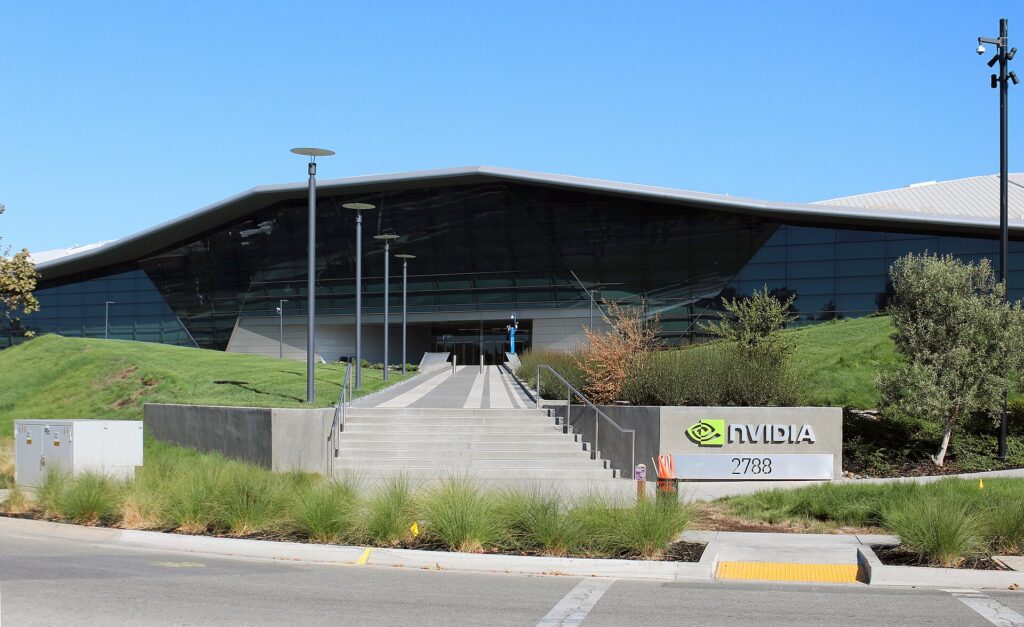
The announcement of Nov. 23, 2026, is short and carefully worded. After a series of conversations and meetings with Huang, the board said, it decided unanimously to reinstate him. It said it was satisfied with his candor and his ability to lead Nvidia. The decisive passage follows: In the course of the process, the board said, it received input from senior levels of the U.S. government. Based on that input, it is confident that Huang’s return poses no risk to national security.
Harvey Jones was quoted as saying that Huang is the right person to lead Nvidia and that his return is in the interest of shareholders, employees, partners and customers. Huang said he was honored to return and was taking on the role with humility and renewed commitment. Colette Kress, who had led the company for 11 days, remains chief financial officer. Jones remains chairman of the board.
At the same time, the board is keeping the safeguards it put in place after the resignation. A committee made up exclusively of independent directors has retained independent counsel and continues to examine whether Huang was the target of a foreign intelligence operation. Huang supports this investigation, which will be carried through to its conclusion, according to the board. A second new committee on national security and export controls is to oversee compliance with trade rules. Nvidia is also searching for a new chief compliance officer, who will report to the nominating and corporate governance committee.
This creates an internal contradiction that is likely to shape the debate in the coming weeks. The board has reinstated Huang before its own investigation is complete. In doing so, it relies on a government assessment whose content it does not disclose.
The White House’s role
What happened in the days before Nov. 23, 2026, can be pieced together from several reports, some of which rely on unnamed sources. On Sunday, Nov. 22, 2026, Trump wrote on Truth Social that he hoped the board would rehire Huang. According to The Washington Post, the president spoke directly with the board. Trump himself told CNBC that “we gave them assurance.” The newspaper reports that Trump personally orchestrated the return in the preceding days. The news site Semafor reported that Trump joined a board meeting by phone to make the case for Huang. According to CNN, senior administration officials led by Vice President JD Vance had lobbied the board over the weekend.
Trump does not deny his role; he highlights it. He told CNBC, according to Newsweek, that he had spoken with members of the board. He called his involvement “very important.” He said he had worked with others in the administration and named Vice President Vance, Treasury Secretary Scott Bessent and Commerce Secretary Howard Lutnick. He said he spoke with Huang on Sunday evening after the agreement with the board had been reached and advised him to work hard. “It was a lot easier to convince them yesterday than it was a week and a half ago,” Trump said; Newsweek links this to the slump in the share price. White House Communications Director Steven Cheung told Newsweek that President Trump was “totally involved.” On Monday, Trump praised the board on Truth Social for making “the correct and proper decision.”
Two details show how unusual the process is. First, according to The Washington Post, Attorney General Todd Blanche informed the president over the weekend that the department had no evidence of criminal conduct by Huang or Nvidia. Blanche did not inform the board directly, the newspaper reported. According to Reuters, the Justice Department never formally investigated Huang. Blanche’s assessment, Reuters reported, was based on the ongoing investigations into two Nvidia customers, Super Micro Computer and Megaspeed. It could still change as those investigations proceed. Trump and Vance passed it on to the board. Second, according to Newsweek’s analysis of his financial disclosures, Trump bought Nvidia shares worth up to $380,000 in September. Based on reported transactions, The Washington Post estimated that he held Nvidia shares worth between $13 million and $62 million at the end of August. The White House says his investments are managed by independent institutions.
This blurs a line that is clear in principle at public companies. The board decides who leads the company; the authorities decide questions of security and export rules. In Nvidia’s case, the state provided the board with a security assessment on which the board bases its decision. Brayden Myers of the libertarian Reason Foundation wrote in the Washington Examiner that Trump’s role should worry anyone who assumes companies are controlled by their shareholders rather than by the president.
What the market says
Investors reacted strongly. On Nov. 23, 2026, Nvidia’s stock rose about 31%, according to Yahoo Finance; its market value increased by more than $950 billion, according to the Stocktwits platform. The S&P 500 gained 4.7% the same day, its biggest rise since April 2025. Investors who had bet on falling tech stocks had to cover their positions in a hurry to limit their losses, according to Stocktwits.
The euphoria did not last. By Wednesday, Nov. 25, 2026, the stock had lost just over 9% from Monday’s close. On Friday, Nov. 27, 2026, it closed about 37% below its record close of Oct. 6, 2026, according to financial websites. That still left it about 20% above its close on Nov. 20, 2026, the last trading day before Huang’s return. According to Stocktwits, Nvidia is heading for its worst month since 2022; according to Reuters, the S&P 500 and the Nasdaq are heading for their worst November since 2008. The reasons go beyond Huang: According to market reports, nervousness about AI stocks, a new export rule and high yields on U.S. Treasury bonds are weighing on the market. On Nov. 26, 2026, the Financial Times also reported that Nvidia had told its manufacturing partners, including Dell and Supermicro, to stop shipping servers with its chips to Malaysia, Singapore, Thailand and Indonesia. The move follows new U.S. rules, in force since the previous week, that require an export license for such shipments. Whether the halt is temporary was unclear.
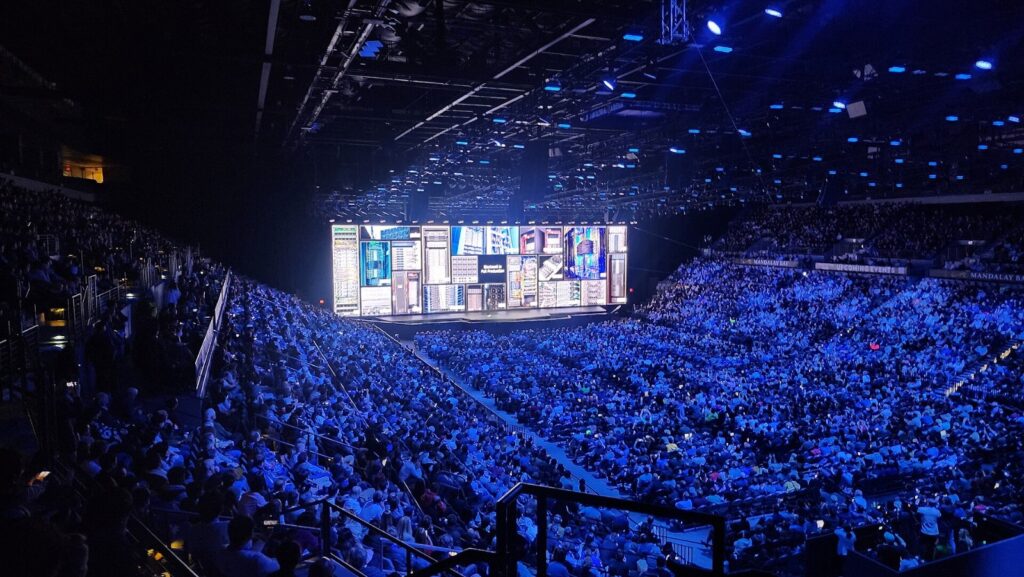
Monday’s jump nevertheless shows how closely the market ties Nvidia’s value to Huang personally. That is good news for shareholders as long as he stays. For corporate governance, it is a risk because it puts the board in a weak position. A board that knows a dismissal would cost the company hundreds of billions of dollars will think twice in the future before sanctioning misconduct by its CEO.
The open questions
The return answers none of the questions that led to the resignation. Expertistan laid them out in detail in its report of Nov. 18, 2026: Huang’s relationship with Alice Huang, a former executive at the company Megaspeed who, according to U.S. intelligence officials cited in media reports, is alleged to have been recruited by Chinese intelligence; reports of relationships with female Nvidia employees; the suspicion that chips reached China via Megaspeed. The investigations into these matters are continuing.
| Proceeding | Status as of Nov. 28, 2026 |
|---|---|
| Internal investigation by independent directors | Continuing, independent counsel retained; outcome open |
| Justice Department criminal investigations into Megaspeed | Ongoing; confirmed on Nov. 16, 2026, by the Commerce and Justice departments; no charges known |
| SEC civil investigation | Underway, according to The Wall Street Journal |
| Inquiries by California’s attorney general | Not affected by the return, according to his office |
| Congress, House of Representatives | Questioning of Huang on Dec. 1, 2026, Tim Teter on Dec. 2, 2026 |
| Congress, Senate | Public hearing with Huang before the Banking Committee on Dec. 3, 2026, confirmed by Chairman Tim Scott; Lutnick on Dec. 10, 2026 |
Above all, it remains unclear what the government actually told the board. Sen. Elizabeth Warren, the top Democrat on the Banking Committee, called the return “reckless” and demanded that the administration explain to Congress what “input” had been given and by which senior officials. Some Republicans were also troubled. Sen. John Cornyn of Texas asked on X what the claim that there is no security risk is based on. Sen. Tom Cotton called the affair surrounding Nvidia and Megaspeed the tip of the iceberg. Rep. Don Bacon said Nvidia should have moved on without Huang. Senate Democratic leader Chuck Schumer accused Trump of putting his financial interests ahead of national security. California Gov. Gavin Newsom spoke of “crony capitalism.”
Add to this the political calendar: The newly elected Congress convenes in January 2027. CNBC describes Huang’s return as fuel for voters who want to curb the influence of tech companies in Washington.
A precedent, but which one?
The return of an ousted CEO is not entirely without precedent. In November 2023, OpenAI’s board fired CEO Sam Altman and reinstated him a few days later under pressure from employees and investors. At Nvidia, too, there was pressure from below: A petition in support of Huang topped 180,000 signatures. Supporters such as Elon Musk and Epic Games CEO Tim Sweeney publicly backed him.
The difference lies in the role of the state. At OpenAI, the fight was among the board, employees and investors. At Nvidia, the government, which is at the same time regulator, investigator and rule-maker for export controls, provided the board with a security assessment. For other listed companies, this sends a signal that can be read in two ways. The charitable reading: The government saved a strategically important company from a costly leadership vacuum. The critical reading: Whoever has advocates in the White House can also change a board’s mind. Whoever has none is worse off.
A legal risk remains for shareholders. Nvidia is incorporated in Delaware, where boards have wide latitude in business decisions. As early as Nov. 10, 2026, even before the resignation, TechCrunch reported, citing law professor Ann Lipton of the University of Colorado, that shareholder suits alleging mismanagement face high hurdles in Delaware. Plaintiffs would have to show, for example, that the directors were themselves implicated or so beholden to the CEO that they could not act independently. That is precisely the question that is likely to be asked now.
Claims fact-checked
| Claim | Finding |
|---|---|
| “The government has confirmed that Huang is not a security risk.” | Not publicly. Nvidia cites input from unnamed senior government officials. No published assessment exists. |
| “Trump brought Huang back.” | Trump himself says he spoke with the board and convinced it. Formally, the board made the decision, unanimously. |
| “The investigations are now closed.” | False. The internal investigation, the criminal investigations into Megaspeed and the inquiries in California are continuing. |
| “The Justice Department has cleared Huang.” | According to The Washington Post, Attorney General Blanche told Trump that there was no evidence of crimes by Huang or Nvidia. That is not a formal exoneration: According to Reuters, the department never formally investigated Huang. The assessment could also change as the investigations into Nvidia customers proceed. |
| “The market cheered the return.” | On the first day, yes, with a gain of about 31%. By Wednesday, the stock had given back just over 9%. |
| “Huang no longer has to appear before Congress.” | False. The committee chairs are sticking to the sessions on Dec. 1, 2026 (Huang) and Dec. 2, 2026 (Tim Teter). A public hearing before the Senate Banking Committee follows on Dec. 3, 2026. |
| “The criticism comes only from Democrats.” | False. Republicans Cornyn, Cotton and Bacon also voiced doubts. |
The Arena: Was the return the right call?
On contested questions, Expertistan sets out the strongest arguments on both sides.
Yes: Nvidia needs its founder
- Shareholder value: The return increased the company’s market value by more than $950 billion in a single day. The board has obligations to shareholders.
- Strategic importance: Nvidia is central to America’s leadership in artificial intelligence. A leadership vacuum lasting months would have harmed the company and the United States, Trump argues.
- No evidence of crimes: According to The Washington Post, the Justice Department saw no evidence of criminal conduct by Huang or Nvidia.
- Support within the company: The petition in support of Huang topped 180,000 signatures, including thousands of employees, according to its organizers.
- Safeguards remain: The internal investigation continues. A new committee oversees export controls and national security.
No: Politics has no place in the boardroom
- Independence violated: According to several reports, the president intervened directly in the board’s deliberations. That contradicts the principle that shareholders, not governments, control companies.
- Unresolved security questions: The internal investigation is not complete; the investigations into Megaspeed are ongoing. Cornyn rightly asks what the all-clear is based on.
- Lack of transparency: Neither Nvidia nor the government discloses what input was given or by whom.
- Conflicts of interest: According to Newsweek, Trump bought Nvidia shares in September. Even if they are independently managed, this creates a bad impression.
- Signal to other CEOs: Those who are indispensable enough and have political backers have less to fear from their own misconduct.
What comes next
The next two weeks will show whether the situation calms down or escalates. On Tuesday, Dec. 1, 2026, Huang will be questioned behind closed doors by the House committees on foreign affairs, intelligence and China; General Counsel Tim Teter follows the next day. A public hearing with Huang before the Senate Banking Committee, announced by its chairman, Tim Scott, follows on Dec. 3, 2026. Commerce Secretary Lutnick is expected there on Dec. 10, 2026. Also pending is the quarterly report to the SEC, which according to media reports is due by Dec. 4, 2026. Sooner or later, the result of the internal investigation will follow.
For the board, this result is the real test. If the investigation confirms that no security interests were harmed, the return will be seen in hindsight as a bold decision. If it uncovers incriminating evidence, a board that trusted the government’s word will come under fire. From January 2027, the newly elected Congress can also continue the hearings.
Commentary: A comeback on credit
It is understandable why Nvidia’s board relented. From its record high in early October to Nov. 20, 2026, the stock lost almost half its value. Roughly a quarter was wiped out in the eight days after the resignation announcement alone. Customers and partners were looking for clarity. And the president of the United States offered a solution. In this situation, bringing back the founder may seem commercially sensible.
But the price is high. A board that had ruled out a return six days earlier has reinstated the CEO before its own investigation is complete. It has done so by pointing to government input whose content no one knows. In doing so, the board has ceded part of its responsibility to the White House. In the future, it will struggle to claim credibly that it decided independently.
For Jensen Huang, the return is a success on credit. He has admitted mistakes and committed to supporting the investigation. That is the standard by which he will be judged, before Congress as well as by his own employees. For the government, finally, the case sets a precedent it would have done better not to create. A government that gives a private company security assurances while its own investigators are still at work makes itself a guarantor. If the assurance proves premature, Nvidia will not be the only one to pay: So will trust in the institutions that gave it.
Editor’s note
Several details about the government’s role come from reports by The Washington Post, Semafor, CNN, CNBC and Newsweek, some of which rely on unnamed sources. Unless otherwise noted, they have not been confirmed by Nvidia or the White House. Quotes appear verbatim only where the original English wording was available to the editorial team; other statements are paraphrased. Expertistan does not name the female Nvidia employees mentioned in media reports. Stock market figures come from financial websites and may change at any time. Article as of Saturday, Nov. 28, 2026.
Sources
- 1. Nvidia, Medienmitteilung «NVIDIA Board Reinstates Jensen Huang as President, CEO and Board Director» (Form 8-K, Exhibit 99.1), 23.11.2026: https://www.sec.gov/Archives/edgar/data/0001045810/000104581026000090/nov23pressrelease.htm
- 2. Nvidia, Form 8-K vom 23.11.2026 (Ereignis vom 22.11.2026): https://www.sec.gov/Archives/edgar/data/0001045810/000104581026000090/nvda-20261122.htm
- 3. Nvidia, «NVIDIA Announces CEO Transition», 12.11.2026: https://www.sec.gov/Archives/edgar/data/0001045810/000104581026000082/nvidiaannouncesceotransiti.htm
- 4. The Washington Post, «Nvidia reinstates Jensen Huang after Trump speaks directly to board», 23.11.2026: https://www.washingtonpost.com/technology/2026/11/23/nvidia-board-reinstates-jensen-huang-after-us-government-input/
- 5. The Washington Post, «Trump personally orchestrated Jensen Huang’s return as Nvidia CEO», 23.11.2026: https://www.washingtonpost.com/politics/2026/11/23/trump-personally-orchestrated-jensen-huang-return-nvidia-ceo/
- 6. The Washington Post, «Trump urges Nvidia to reinstate Jensen Huang, calling him best thing for U.S.», 22.11.2026: https://www.washingtonpost.com/technology/2026/11/23/trump-urges-nvidia-reinstate-jensen-huang-calling-him-best-thing-us/
- 7. Newsweek, «Donald Trump’s Role in Jensen Huang’s Reinstatement Under Scrutiny», 23.11.2026: https://www.newsweek.com/trump-jensen-huang-nvidia-reinstatement-scrutiny-12757470
- 8. CNBC, «Huang reinstatement reignites voter angst over tech’s outsized power», 25.11.2026: https://www.cnbc.com/2026/11/25/huang-reinstatement-reignites-voter-angst-over-techs-outsized-power.html
- 9. Alternet, «Conservative analyst exposes Trump’s troubling boardroom precedent» (zum Beitrag von Brayden Myers im «Washington Examiner»), 27.11.2026: https://alternet.org/trump-nvidia-precedent
- 10. Yahoo Finance, «Stock market today: Dow, S&P 500, Nasdaq post best day since April 2025 as Nvidia stock soars 31%», 23.11.2026: https://finance.yahoo.com/markets/live/stock-market-today-monday-november-23-dow-sp-500-nasdaq-nvidia-reinstates-jensen-huang-141511975.html
- 11. Stocktwits, «NVDA Eyes Worst Month Since 2022», 25.11.2026: https://stocktwits.com/news-articles/markets/equity/nvda-dip-buyers-still-fighting-break-even-after-huang-return-analyst-says/cNbHEckR9lm
- 12. The Glass Desk, «Weekly Market Review: Nov 27, 2026»: https://theglassdesk.substack.com/p/weekly-market-review-nov-27-2026
- 13. Reuters via Investing.com, Bericht über den Lieferstopp nach Südostasien (gestützt auf die «Financial Times»), 26.11.2026: https://www.investing.com/news/stock-market-news/nvidia-halts-server-shipments-to-four-southeast-asian-countries-ft-reports-5053574
- 14. Forbes, Bericht über den Lieferstopp von Servern mit Nvidia-Chips nach Südostasien, 26.11.2026: https://www.forbes.com/sites/siladityaray/2026/11/26/nvidia-reportedly-halts-ai-chip-shipments-to-southeast-asia-as-us-tightens-china-curbs/
- 15. Nvidia Investor Relations, Kursdaten der Nvidia-Aktie, abgerufen am 28.11.2026: https://investor.nvidia.com/stock-info/stock-quote-and-chart/default.aspx
- 16. StockInvest.us, Kursdaten der Nvidia-Aktie, abgerufen am 28.11.2026: https://stockinvest.us/stock/NVDA
- 17. NPR, «Nvidia board says it does not intend to reinstate Jensen Huang as CEO», 17.11.2026: https://www.kuow.org/npr-news/2026-11-17/nvidia-board-says-it-does-not-intend-to-reinstate-jensen-huang-as-ceo
- 18. South China Morning Post, «Nvidia board says it has no plans to reinstate Jensen Huang as CEO», 18.11.2026: https://www.scmp.com/tech/article/3374812/nvidia-board-says-it-has-no-plans-reinstate-jensen-huang-ceo
- 19. The Next Web, «Trump backs Jensen Huang’s return as Nvidia board reportedly says no», 16.11.2026: https://thenextweb.com/news/trump-backs-jensen-huangs-return-as-nvidia-board-reportedly-says-no
- 20. Nation Thailand (Reuters), «Nvidia board not considering Huang return as petition tops 180,200», 17.11.2026: https://www.nationthailand.com/business/tech/40073586
- 21. Axios, «Jensen Huang agrees to face Congress over Nvidia scandal», 17.11.2026: https://axios.com/2026/11/17/nvidia-jensen-huang-congress-testify-dates
- 22. Axios, «Jensen Huang comeback push tests the limits of CEO power», 17.11.2026: https://www.axios.com/2026/11/17/jensen-huang-nvidia-ceo-accountability-power
- 23. CBS News, «Howard Lutnick, Scott Bessent, Nvidia, Megaspeed testimony», 13.11.2026: https://cbsnews.com/news/howard-lutnick-scott-bessent-nvidia-megaspeed-testimony
- 24. Al Jazeera, «Nvidia’s Huang, Lutnick summoned to testify to US Senate», 13.11.2026: https://www.aljazeera.com/amp/news/2026/11/13/nvidias-huang-lutnick-summoned-to-testify-to-us-senate
- 25. Techcrunch, «Nvidia’s crisis has corporate governance experts reaching for the popcorn», 10.11.2026: https://techcrunch.com/?p=3187258
- 26. Taiwan News (Reuters), Ausschuss für nationale Sicherheit unter Suzanne Nora Johnson, 18.11.2026: https://www.taiwannews.com.tw/en/news/6477774
- 27. Expertistan, English version of the report of 18.11.2026 («Open to Work: Musste Jensen Huang wirklich gehen?»): https://www.expertistan.ch/?p=1260275
- 28. The Washington Times, «Sen. Tim Scott announces hearing with Nvidia CEO Jensen Huang amid scandal», 23.11.2026: https://www.washingtontimes.com/news/2026/nov/23/sen-tim-scott-announces-hearing-nvidia-ceo-jensen-huang-amid-scandal/
- 29. CBS News, Überblick über die Ermittlungen zu Nvidia und Megaspeed, 2026: https://www.cbsnews.com/news/nvidia-jensen-huang-megaspeed-investigations/
- 30. Reuters via The Korea Times, «US Justice Dept did not open probe into Huang before reinstatement, sources say», 26.11.2026: https://www.koreatimes.co.kr/world/20261126/us-justice-dept-did-not-open-probe-into-huang-before-reinstatement-sources-say
- 31. ABC News, Trump über seine Rolle bei der Wiedereinsetzung Huangs, 2026: https://abcnews.com/Politics/made-deal-trump-convinced-nvidia-board-reinstate-jensen/story?id=138373104
- 32. Political Wire, Bericht der «Washington Post» über Trumps Nvidia-Beteiligung, 16.11.2026: https://politicalwire.com/2026/11/16/trumps-stake-in-nvidia-grew-to-as-much-as-62-million/
- 33. Admiral Markets, Analyse zum Kursverlauf der Nvidia-Aktie, 2026: https://admiralmarkets.com/analytics/traders-blog/why-is-nvidia-stock-up-jensen-huang-reinstated-ceo


Comments 0